Understanding the EURUSD Live Data Feed
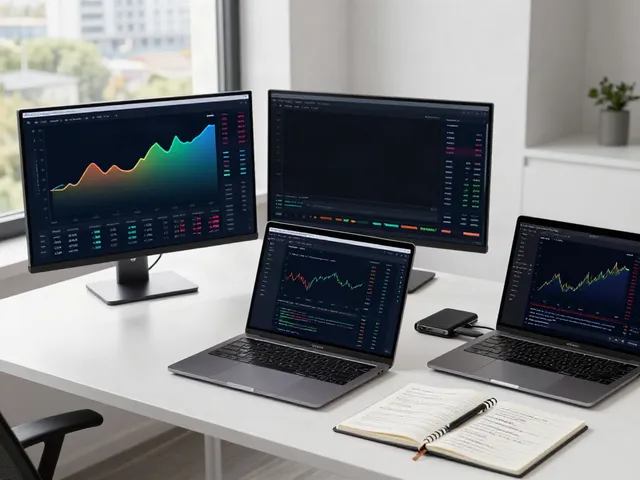
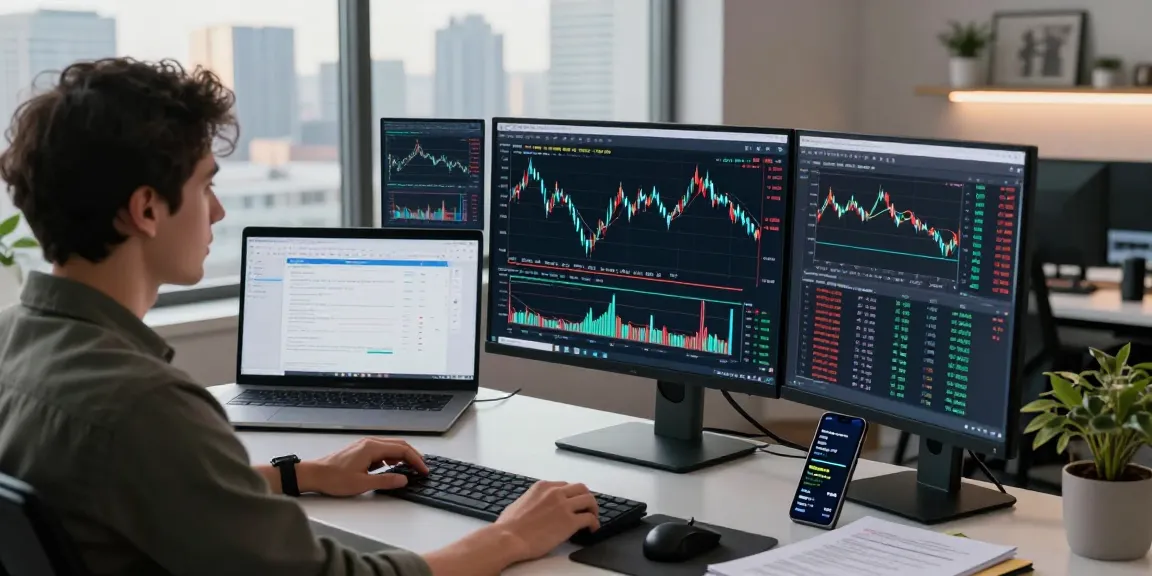
The EURUSD live data feed is a vital tool for traders, developers, and financial researchers engaged in the foreign exchange (Forex) market. This data feed provides real-time exchange rates for the Euro and the US Dollar, two of the world's most traded currencies. Access to this information allows traders to make informed decisions, analyze trends, and ultimately enhance their trading strategies. As trade volumes increase and markets evolve, the ability to access timely and accurate data becomes more critical than ever. When exploring options, EURUSD live data feed offers comprehensive insights into currency dynamics, aiding in strategic decision-making.
What is the EURUSD Live Data Feed?
The EURUSD live data feed provides instantaneous data regarding the exchange rate between the Euro (EUR) and the US Dollar (USD). This feed is crucial for understanding fluctuations in currency value, which can be influenced by various factors, including geopolitical events, interest rates, and economic indicators. The feed presents data in various formats, usually accessible via APIs, allowing seamless integration into trading platforms and analytical tools.
Importance of Real-Time Data for Forex Traders
In Forex trading, timing is everything. Real-time data ensures that traders are equipped to make decisions based on the latest market information. For instance, a trader looking to capitalize on short-term price movements requires access to instantaneous data to act swiftly. Without real-time data, missed opportunities can lead to significant financial setbacks.
How the EURUSD Feed Impacts Market Trends
The EURUSD live data feed does not simply provide numbers—it shapes the market trends that traders work within. High trading volumes in EURUSD can lead to increased volatility, directly impacting traders' strategies. Furthermore, by analyzing the data feed, traders can identify patterns and trends, which are crucial for forecasting future market behaviors.
Top Applications of the EURUSD Live Data Feed
Integrating the Feed into Trading Platforms
One of the most prevalent applications of the EURUSD live data feed is its integration into trading platforms. Developers can utilize the data feed to create or enhance trading applications, providing users with the ability to monitor live changes in currency values. This integration allows traders to execute trades in real-time based on the most current information available.
Utilizing Data for Technical Analysis
Technical analysis relies heavily on accurate, up-to-date data to assess market conditions and predict future price movements. By employing the EURUSD live data feed, traders can apply various technical indicators—such as moving averages, Bollinger Bands, and RSI (Relative Strength Index)—to their analyses, ensuring their decisions are grounded in the most recent market data.
Evaluating Economic Indicators and Their Impact
The EURUSD live data feed serves as a foundational element in evaluating economic indicators that influence currency values. Data such as GDP growth rates, employment statistics, and inflation figures can significantly impact the EUR to USD exchange rate. Understanding how these indicators interact with the live data feed can empower traders to make predictive analyses regarding currency movements.
Challenges in Accessing EURUSD Live Data
Common Obstacles Traders Face
Despite the technological advancements that allow access to the EURUSD live data feed, traders often encounter challenges. Some common obstacles include internet connectivity issues, software malfunctions, or API rate limitations that restrict the volume of data requests. Addressing these challenges is crucial for maintaining effective trading practices.
Understanding Data Latency and Accuracy
Data latency refers to the delay that can occur between the generation of data and its availability for use. In the Forex market, even a small delay can lead to missed trading opportunities. It is essential for traders to understand the implications of data latency and to select data feeds that minimize this delay while maintaining high accuracy for reliable decision-making.
Best Practices for Reliable Data Utilization
To maximize the benefits of the EURUSD live data feed, traders should adhere to best practices, such as using robust trading platforms capable of handling high volumes of data, implementing fail-safes to mitigate downtime, and regularly testing their data integration systems. Additionally, traders should consider employing backup feeds in case of primary feed interruptions to ensure continuity in their trading strategies.
Expert Strategies for Maximizing Data Utilization
Leveraging Trends for Trading Decisions
One effective strategy involves leveraging trends indicated by the EURUSD live data feed. Traders can monitor the feed for both long-term and short-term trends, adjusting their strategies accordingly. Identifying bullish or bearish trends early can provide a competitive edge in executing profitable trades.
Combining Live Data with Historical Trends
While real-time data is crucial, combining it with historical data enhances analytical capabilities. Traders can compare current rates with historical benchmarks to identify potential turning points. This approach allows for more nuanced trading strategies that account for both current market dynamics and historical performance.
Creating Custom Alerts and Notifications
Setting up custom alerts based on the EURUSD live data feed can be a valuable tool for traders. By configuring alerts for specific price levels or market changes, traders can react promptly to fluctuations without constantly monitoring the market. This can be particularly beneficial during high-volatility periods or when trading during off-hours.
Future of EURUSD Live Data in Forex Trading
Emerging Technologies and Innovations
As technology continues to evolve, so will the methods for accessing and utilizing live Forex data. Innovations such as machine learning and artificial intelligence are expected to play significant roles in analyzing data feeds, enabling traders to identify trends and patterns with unprecedented accuracy. The future will likely see more automated trading systems that leverage these advancements.
Trends Shaping Forex Trading in 2026
By 2026, the Forex trading landscape is anticipated to change significantly, driven by innovations in data accessibility and analysis. The integration of financial technology (fintech) solutions will offer traders enhanced tools to navigate the complexities of the market. Additionally, regulatory changes may affect how data is accessed and utilized, influencing trading strategies across the board.
Preparing for Evolving Market Dynamics
To remain competitive in the evolving Forex market, traders must stay informed about emerging trends and continuously adapt their strategies. This involves leveraging the EURUSD live data feed effectively, embracing new technologies, and being proactive in adjusting to market changes. Continuous education and adaptation will be the keys to success in an ever-changing trading environment.
What are the benefits of using the EURUSD live data feed?
The benefits include real-time insights into currency fluctuations, increased accuracy in trading decisions, and the potential for enhanced trading strategies that are informed by the latest data trends. By reducing information lag, traders can position themselves advantageously for upcoming market events.
How does data latency affect trading decisions?
Data latency can cause discrepancies between perceived market conditions and actual trading opportunities. This lag can lead to slippage, where traders execute orders at different prices than intended. Understanding and addressing latency issues is crucial for minimizing risk in trading.
Can the EURUSD live data feed be integrated with trading algorithms?
Yes, the EURUSD live data feed can be seamlessly integrated into trading algorithms. This integration allows for automated trading strategies that respond immediately to market changes, optimizing execution times and minimizing manual errors.
What technical indicators are best used with real-time feeds?
Common indicators that work well with real-time feeds include moving averages, MACD (Moving Average Convergence Divergence), and Fibonacci retracements. These indicators can help traders identify potential reversal points and trend continuations, enhancing their overall market analysis.
How can beginner traders effectively use the EURUSD data feed?
Beginner traders can start by utilizing demo accounts that incorporate the EURUSD live data feed. This allows them to practice trading strategies in a risk-free environment, gaining familiarity with how real-time data influences trading decisions. Investing time in learning about technical analysis and market indicators will also provide a solid foundation for utilizing the data feed effectively.