Understanding the Best Calorie Tracking App Options
In today's fast-paced world, maintaining a balanced diet and tracking food intake can seem daunting. With the advent of technology, calorie tracking apps have emerged as essential tools for anyone looking to manage their weight or improve their dietary habits. These apps offer users the ability to log meals, understand nutritional content, and achieve personal health goals while providing a user-friendly interface. When exploring options, best calorie tracking app reviews can help you navigate through the myriad of choices available, ensuring you select one that fits your lifestyle.
What is a calorie tracking app?
A calorie tracking app is a mobile application designed to help individuals monitor their food intake by logging calories and macronutrients. Users can input their meals, snacks, and drinks, receiving immediate feedback and insights about their nutritional habits. Most of these apps come equipped with extensive databases of food items, allowing users to simply scan barcodes or search for items to get accurate calorie counts and nutritional information.
Why use a calorie tracking app for weight management?
Calorie tracking apps play a crucial role in weight management for several reasons. Firstly, they help users become more mindful of their eating habits, facilitating better food choices. Research indicates that individuals who track their food intake are more likely to achieve weight loss or maintenance goals than those who do not. These apps provide accountability through tracking progress and can motivate users by visualizing their successes over time.
Top features to look for in an app
- User-friendly interface: The best calorie tracking apps are intuitive and easy to navigate, allowing users to log meals quickly without frustration.
- Extensive food database: A diverse and accurate food database is vital for ensuring that users can find and log their meals with precise nutritional information.
- Customizable goals: The ability to set personal dietary goals based on weight loss, maintenance, or muscle gain can enhance user experience and effectiveness.
- Integration with fitness trackers: Apps that can sync with fitness trackers or smartwatches provide a comprehensive look at overall health, including exercise and dietary intake.
- Nutrition coaching and support: Many apps now offer personalized coaching, tips, and support to keep users motivated and informed about their dietary choices.
Evaluating the Best Calorie Tracking App for Your Goals
Choosing the right calorie tracking app involves assessing various functionalities and how they align with your personal dietary needs. It's important to consider your specific goals, whether they involve weight loss, muscle gain, or simply better tracking of your meals.
How to identify your dietary needs
Understanding your dietary needs is the first step in selecting a calorie tracking app. Consider factors such as your current weight, target weight, lifestyle, and any medical conditions that may influence your diet. Whether you want to lose weight, gain muscle, or maintain your current health, the app you choose should be equipped to support those goals with appropriate features and resources.
Comparing app functionalities: Macros vs. micros
The debate between focusing on macronutrients (carbohydrates, proteins, fats) versus micronutrients (vitamins, minerals) is central when evaluating food tracking apps. Some users may prefer an app that emphasizes macros for weight loss or muscle gain, while others may prioritize micronutrients for overall health. Identifying what aspect of nutrition you want to focus on can help narrow down your options effectively.
User experience: Interface, accessibility, and support
An app’s interface plays a significant role in user satisfaction. A clean, intuitive design minimizes frustration and encourages consistent use. Accessibility features, such as voice logging or multi-device syncing, enhance usability, particularly for those who might have difficulties with traditional input methods. Additionally, customer support and community features can provide extra motivation and assistance.
Debunking Myths About Calorie Tracking Apps
While calorie tracking apps offer numerous benefits, several myths can deter potential users. Understanding these misconceptions can empower you to use these tools more effectively.
Do calorie counting apps lead to better weight loss outcomes?
There's a prevalent belief that calorie counting apps alone will guarantee weight loss. However, success largely depends on user engagement and consistency. Research shows that users who actively log their meals and stay committed to their goals report better outcomes. These apps serve as guides, but the real work lies in maintaining discipline and making informed food choices.
The common misconception of food database size
Many users assume that larger food databases equate to better accuracy. However, the quality of entries is far more important than quantity. An app may boast millions of entries, but if many of them are unverified or inaccurate, it can lead to poor tracking outcomes. Focusing on apps that prioritize validated data can improve logging accuracy significantly.
How AI in calorie tracking affects accuracy
Artificial intelligence is increasingly being integrated into calorie tracking apps, particularly in features such as photo logging and predictive analytics. While AI can enhance user experience and improve accuracy over time, it is not infallible. AI-powered logging can misinterpret images or fail to recognize certain food items, which necessitates user oversight to ensure precision in tracking.
Implementing Best Practices with Your Chosen App
Once you have choosed a calorie tracking app, implementing best practices can maximize its effectiveness and your overall success. Here are some strategies to consider:
Tips for effective logging and meal planning
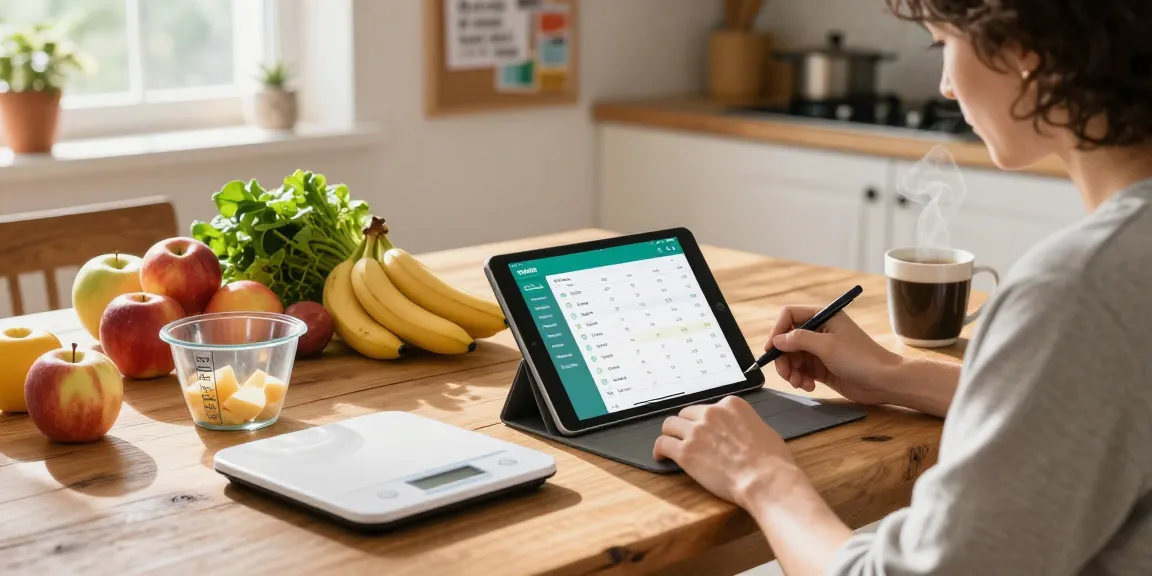
Effective logging starts with consistency. Aim to log meals as soon as possible after eating to ensure accuracy. Planning meals in advance can streamline this process, allowing you to batch log foods and decrease variability. Ensure that you are measuring portion sizes appropriately, as many users underestimate serving sizes, which can lead to inaccurate calorie counts.
Integrating exercise tracking with calorie counts
Integrating exercise tracking into your calorie management strategy is crucial for achieving your health goals. Many apps allow users to log workouts, creating a comprehensive view of both calorie intake and expenditure. This holistic approach can help you adjust your calorie target based on activity level and encourage active lifestyle habits.
Maintaining motivation and consistency in tracking
One of the challenges of using calorie tracking apps is maintaining motivation over time. Setting short and long-term goals, celebrating small victories, and engaging with communities within the app can provide necessary support. Regularly revisiting your dietary goals and adapting them as needed will also help keep you motivated and committed.
The Future of Calorie Tracking: Trends to Watch in 2026
The landscape of calorie tracking is evolving rapidly as technology advances and dietary trends shift. Staying informed on emerging features and methodologies can enhance your experience and effectiveness.
Emerging technologies in food tracking applications
As artificial intelligence continues to advance, we are likely to see more sophisticated food recognition technologies, enabling users to log meals simply by taking photos. Additionally, wearable technology integration is expected to become more seamless, allowing for real-time adjustments to calories burned versus consumed.
Shifts in dietary trends influencing app features
Trends such as plant-based diets, ketogenic eating, and intermittent fasting have influenced app functionality. Users are increasingly looking for apps that support specialized diets and offer tailored meal plans. Developers are responding by incorporating features that cater to these unique dietary preferences, making tracking more relevant and personalized.
Expert insights on the evolving landscape of nutrition apps
Nutrition experts emphasize that as the future of diet apps unfolds, users should prioritize apps that offer credibility and transparency. Understanding underlying algorithms and how nutrition data is sourced will ensure users select reliable apps that align with health goals. Continuous education on dietary needs and trends will empower users to make informed decisions.
What features should the best calorie tracking app have?
The best calorie tracking app should incorporate user-friendly navigation, a robust food database of verified entries, customizable goal settings, comprehensive analytics, and integration with fitness tracking tools. Prioritizing these features can significantly enhance user satisfaction and tracking accuracy.
Can calorie tracking apps help with long-term weight management?
Long-term weight management requires commitment and adaptability. Calorie tracking apps can provide a supportive framework for ongoing dietary monitoring, helping users stay aware of their habits. As users develop a deeper understanding of their nutritional needs and preferences, these tools can foster sustainable health practices.
Are AI-powered tracking apps reliable and accurate?
AI-powered tracking apps have the potential to improve user experience dramatically; however, they must be used with a critical eye. While AI can streamline the logging process, users should be vigilant in verifying entries and ensuring that the data reflects their actual consumption accurately.
What are the best practices for using a food tracking app?
Best practices include logging meals consistently, utilizing visualization tools for progress tracking, adapting dietary goals based on lifestyle changes, and integrating feedback from the app's coaching features. Consistency and mindfulness in food choices will lead to more effective tracking.
How will calorie tracking apps evolve in the coming years?
The evolution of calorie tracking apps in the coming years will likely center around enhanced personalization, incorporating genetic and metabolic data to tailor dietary recommendations. Additionally, increasing user interactivity, community involvement, and gamification elements may further engage users in their health journeys.