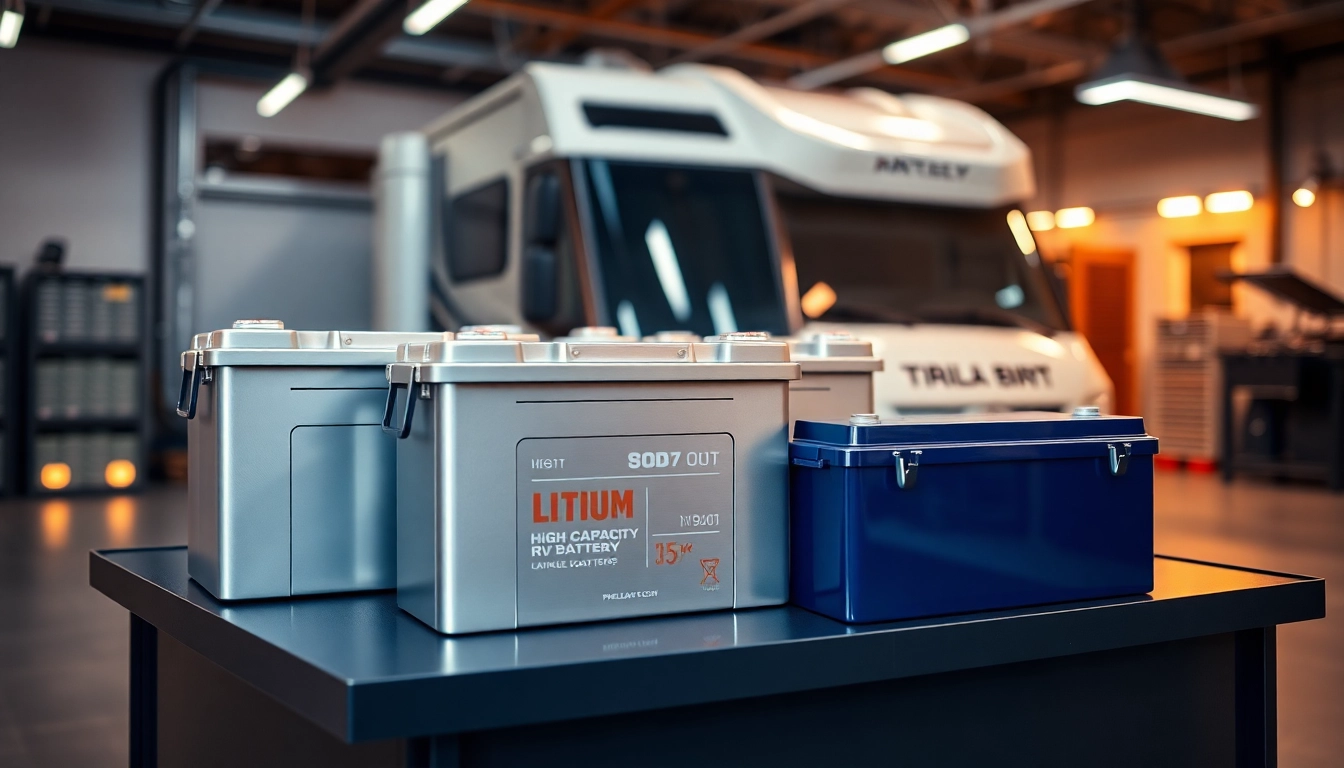
Understanding Lithium RV Batteries
What are Lithium RV Batteries?
Lithium RV batteries are advanced power storage devices designed specifically for recreational vehicles (RVs). Unlike traditional lead-acid batteries, lithium RV batteries utilize lithium-ion technology, allowing for much higher energy efficiency and capacity. These batteries, typically composed of lithium iron phosphate (LiFePO4), are lighter, more durable, and offer longer cycles of use, making them well-suited for the demands of RV living and travel.
Benefits of Lithium RV Batteries
Lithium RV batteries provide numerous advantages for avid campers and mobile homeowners. Firstly, they have a much longer lifespan—often lasting up to 15 years or more compared to the 3-5 years typical of lead-acid batteries. They also charge faster, taking around 1-3 hours to reach full capacity, depending on conditions. Unlike their traditional counterparts, lithium batteries discharge to a much lower percentage without damaging the unit, allowing for more usable power. Moreover, their lightweight design enhances the overall weight distribution of the RV, contributing to better fuel efficiency during travel.
Differentiating Lithium from Traditional Batteries
While both lithium and traditional lead-acid batteries serve the same purpose—storing electrical energy—their operational principles differ markedly. One main distinction is in their chemistry; lithium batteries are less prone to voltage sag under load, maintaining performance levels throughout their discharge cycles. Additionally, traditional lead-acid batteries can produce dangerous gases, whereas lithium-ion batteries vent into the atmosphere without risk of explosion or fire, allowing for safer installations.
Choosing the Right Lithium RV Battery for Your Needs
Factors to Consider Before Buying
When selecting lithium RV batteries, several factors must be assessed:
- Capacity: Measured in amp-hours (Ah), it’s crucial to choose a battery that provides enough capacity to meet your power needs without underperforming.
- Weight: Consider the weight of the battery; lighter options can enhance your RV’s overall performance.
- Voltage: Ensure compatibility with your RV’s electrical system, as most RVs operate on 12V or 24V systems.
- Cycle Life: Look for batteries with a high cycle life rating, which indicates how many charge and discharge cycles the battery can undergo before its capacity degrades significantly.
- Warranty: A solid warranty can safeguard your investment; opt for batteries backed by extended warranties that reflect manufacturer confidence.
Common Misconceptions About Lithium RV Batteries
Despite their growing popularity, several myths persist concerning Vatrer Power lithium RV batteries:
- Higher Cost Equals Better Quality: While lithium batteries do tend to have a higher upfront cost, the long-term savings on replacements and maintenance significantly outweigh initial investments.
- Complexity in Charging: Some believe that lithium batteries require specialized chargers, but most modern systems are compatible with standard RV charging equipment.
- They Can’t Be Used in Cold Conditions: While performance can vary in extreme cold conditions, many lithium batteries are designed with integrated heating systems to combat this issue.
Popular Lithium RV Battery Types
There are various types of lithium RV batteries available on the market, including:
- Maritime Grade Lithium Batteries: These are specifically designed to handle diverse power loads and perform well in marine applications.
- High Capacity Lithium Batteries: Typically boasting capacities from 200Ah to 400Ah, these batteries cater to larger RV setups and the most demanding power needs.
- Compact Lithium Batteries: Smaller options are perfect for lightweight or minimalist RV setups where saving space is critical.
Installation and Maintenance of Lithium RV Batteries
Installation Tips and Best Practices
Installing lithium RV batteries can be straightforward if done correctly. Follow these best practices to ensure a successful setup:
- Read the Manual: Always review the manufacturer's installation guidelines before proceeding.
- Proper Connections: Ensure that all connections are secure, using corrosion-resistant terminals to facilitate a stable electrical connection.
- Ventilation: While lithium batteries produce negligible gases, it is still wise to install them in a well-ventilated area to remain aligned with best practices and promote battery health.
- Monitor Temperature: Aim to keep the batteries within the specified operating temperature range to optimize performance and longevity.
Maintenance Guidelines for Longevity
Maintaining lithium RV batteries requires minimal effort but adhering to a few key guidelines can maximize operational lifespan:
- Regular Cycling: Periodically discharge and recharge your batteries completely to maintain balance across all cells.
- Monitoring: Utilize battery monitoring systems, if available, to keep track of voltage levels and charge cycles.
- Cleaning Connections: Regularly check and clean terminals and connections to prevent corrosion that might disrupt performance.
Understanding Warranty and Support
Take the time to read through the warranty details. A manufacturer’s warranty should specify the coverage length as well as any conditions under which it may be voided. Additionally, ensure that customer service support is available should you encounter any issues during the battery's lifetime. Access to thorough customer support can make a substantial difference when troubleshooting or seeking replacement parts.
Performance Considerations
Battery Capacity: What You Should Know
The capacity of lithium RV batteries directly affects how long you can run electrical appliances when off-grid. A higher amp-hour (Ah) rating means you will have more energy availability, which is particularly useful for extended outdoor trips. Typically, a 100Ah battery can power small electronics and appliances for longer durations compared to lower-rated batteries. Understanding your energy needs is key when selecting the appropriate capacity for your RV.
How to Measure Performance Efficiency
To accurately gauge battery performance efficiency, consider the following metrics:
- Discharge Rate: Monitor how quickly your battery drops in voltage under load. Stable performance under load indicates higher efficiency.
- Energy Density: A ratio of energy storage capacity to weight, allowing you to assess how much power you can store versus the amount of weight added.
- Charge Acceptance: Evaluate how quickly the battery can charge, as a quicker charge indicates higher performance efficiency.
Comparative Lifespan and Cost Analysis
When contrasting the costs and expected lifespans of lithium RV batteries with traditional options, lithium batteries can seem expensive initially. However, consider the total cost of ownership: lithium batteries typically last upwards of 10 years, whereas lead-acid batteries often only last 2-5 years. Hence, the true value of lithium batteries shines through in their longevity and lower replacement frequency, ultimately offering savings over time.
Frequently Asked Questions about Lithium RV Batteries
Are lithium batteries worth it for an RV?
Yes, for frequent travelers and those who boondock, lithium batteries provide longer life, lower maintenance, and quicker charging, making them a worthwhile investment.
How long will a 12V fridge run on a 100Ah lithium battery?
A 100Ah lithium battery can power a 12V fridge for approximately 2 to 3.5 days, depending on the fridge's energy consumption and ambient conditions.
What maintenance do lithium RV batteries require?
Maintenance includes periodic discharge and charging cycles, checking connections for corrosion, and keeping an eye on battery health through monitoring systems.
Can lithium RV batteries be charged with solar power?
Yes, 12V 300Ah Lithium Battery are compatible with solar charging systems, making them an excellent choice for off-grid living and sustainable practices.
What are the safety features of lithium RV batteries?
Lithium RV batteries generally include built-in monitoring systems to prevent overcharging and over-discharging, thermal management systems, and protection against short circuits, ensuring user safety during operation.