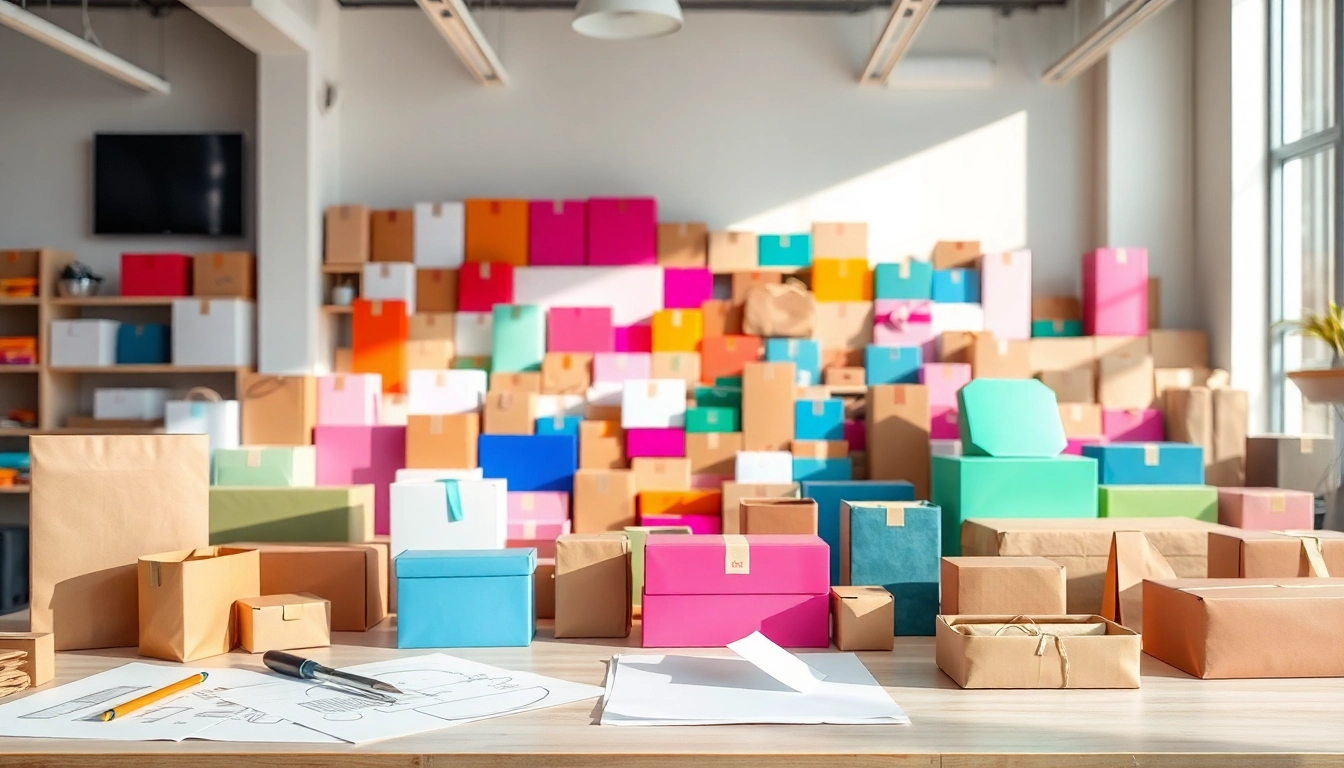
Understanding Retail Packaging Services
What Are Retail Packaging Services?
Retail packaging services refer to the various solutions and strategies employed to package products for retail environments. These services go beyond mere containment, focusing on aesthetics, functionality, and consumer engagement. These services enable businesses to effectively showcase their products while ensuring that they comply with industry standards and regulations. Utilizing Retail Packaging Services can elevate a product from simply being a commodity to an attractive item that resonates with consumers.
Importance of Effective Packaging
Effective packaging is paramount in today’s competitive retail landscape. It serves several critical functions: protecting products during transit, preventing tampering, and enhancing the overall customer experience. Packaging also plays a significant role in branding; it acts as the first point of contact between a customer and a brand. Well-designed retail packaging can lead to improved brand recognition and customer loyalty.
In addition, effective packaging can be crucial for conveying essential product information, such as nutritional facts and usage instructions. Addressing these components can lead to increased consumer trust and, ultimately, higher sales.
Components of Retail Packaging Services
Retail packaging services include a myriad of components tailored to meet specific business needs. Key components often involve:
- Design and Aesthetics: Packaging design encompasses the visual elements that attract consumers, including colors, logos, and graphic designs.
- Material Selection: The choice of materials can affect durability, sustainability, and cost.
- Manufacturing Processes: Various techniques are used in producing packaging, including printing, cutting, and assembly.
- Logistics and Distribution: Understanding how packaging fits into the supply chain is essential for effective product delivery.
Types of Retail Packaging Solutions
Custom Boxes and Designs
Custom boxes are a foundational element in retail packaging. They can be tailored to fit any product shape and size while promoting branding through unique designs. Custom packaging not only differentiates products on busy store shelves but also allows for a tailored unboxing experience. Incorporating features like easy-to-open flaps, inserts, and protective cushioning can add functionality to the packaging.
Furthermore, personalized packaging creates a sense of ownership for the customer, enhancing brand loyalty and making a lasting impression. Some companies leverage augmented reality features embedded within packaging to engage customers further.
Eco-Friendly Packaging Options
In recent years, the demand for eco-friendly packaging solutions has surged. Consumers are increasingly becoming aware of environmental issues, leading brands to pursue sustainable practices. Eco-friendly packaging options include biodegradable materials, recyclable designs, and minimalistic packaging to reduce waste.
Incorporating sustainable options allows companies to align themselves with consumer values and potentially reduce costs associated with waste disposal. When brands communicate their commitment to sustainability transparently, they can attract environmentally conscious consumers.
Point of Purchase Displays
Point of purchase (POP) displays serve as tactical marketing tools located strategically around store checkout areas. These displays capture the attention of consumers and encourage impulse purchases. A well-designed POP display can elevate the perceived value of a product and create a stronger brand presence in-store.
Using innovative materials and interactive elements within POP displays can enhance consumer experience, leading them to engage more deeply with the products offered.
Choosing the Right Retail Packaging Services
Factors to Consider When Selecting Packaging Options
When selecting retail packaging services, businesses should consider several factors. First and foremost is the target demographic; understanding customer preferences and behaviors can inform design and material choices. Additionally, businesses should analyze brand identity and ensure that packaging aligns with their messaging.
Practical considerations such as budget, production timelines, and material availability are also crucial when making decisions about packaging services. The objective is to find a balance between appealing design, robust functionality, and cost-effectiveness.
Analyzing Market Trends
The retail sector is constantly evolving, and staying abreast of market trends can give brands a significant competitive edge. Analyzing trends related to consumer preferences, emerging technologies, and sustainability can inform packaging strategies. Trends such as personalization and experiential packaging have gained traction as brands strive to create unique consumer experiences.
Utilizing data-driven insights to inform packaging design can lead to innovative solutions that better satisfy market demands and consumer expectations.
Balancing Cost and Quality
Cost considerations are vital in packaging decisions, especially for small to medium-sized businesses. However, compromising quality to save costs can lead to issues such as increased product damage and negative brand perception. Therefore, businesses should explore options that maintain quality while remaining budget-friendly. Collaborating with experienced packaging providers can yield solutions that provide long-term returns on investment.
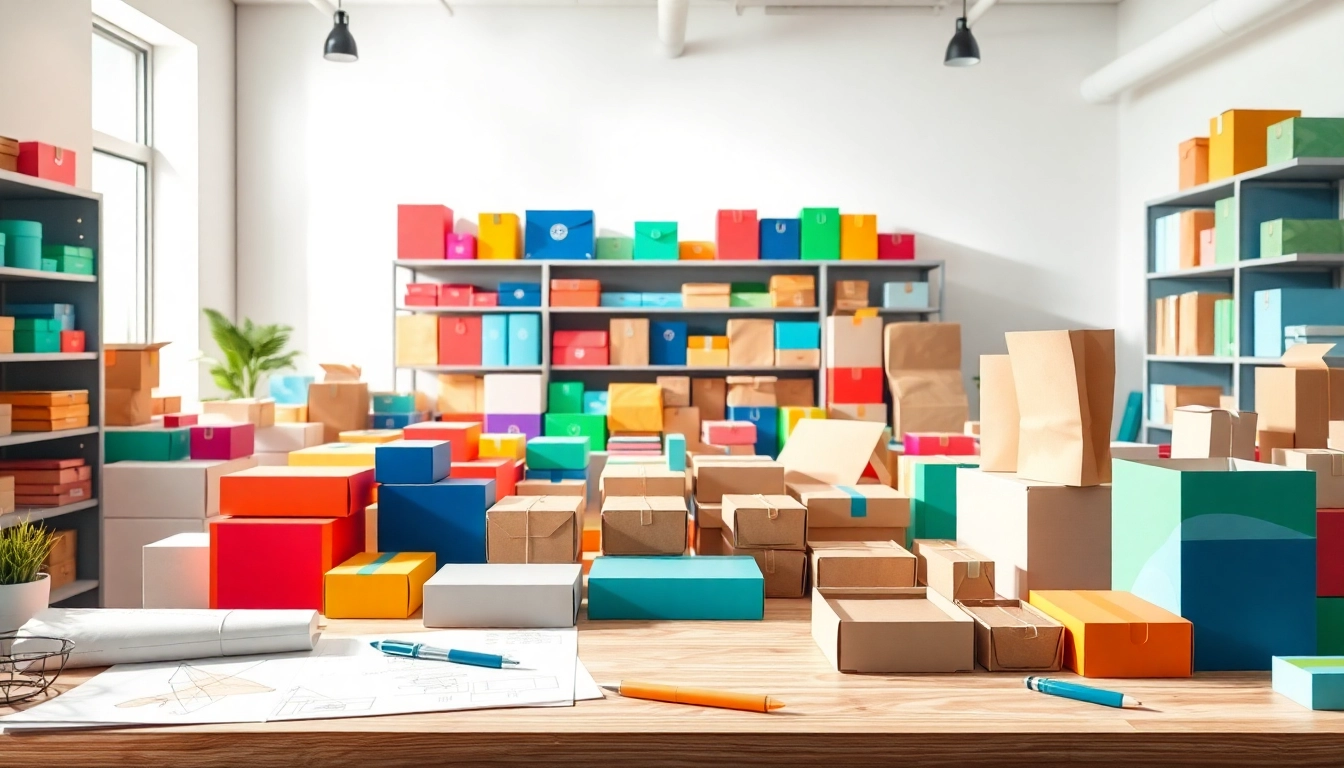
Best Practices in Retail Packaging
Designing for Consumer Engagement
Creating packaging that captivates consumer attention involves strategic use of color psychology, typography, and imagery. Packaging should be designed to tell a story about the product's origins, benefits, and usage. Engaging consumers emotionally can influence their purchasing decisions significantly.
Furthermore, consider interactive elements, such as QR codes that provide additional product information or promotions. These added layers can facilitate a stronger connection with consumers.
Utilizing Technology in Packaging
Advancements in technology have transformed retail packaging, enabling brands to enhance efficiency and engagement. Automation and digital printing technologies allow for rapid prototyping and customization, which can accelerate go-to-market timelines.
Incorporating smart packaging solutions, such as NFC chips or augmented reality, can create memorable consumer interactions and add value to the product experience.
Ensuring Sustainability in Packaging Choices
Brands committed to sustainability must ensure that their packaging choices consistently reflect eco-friendly principles. Assessing the life cycle of materials used in packaging can uncover opportunities to reduce environmental impact. Opting for sustainable wood sources, post-consumer recycled materials, and compostable options can contribute to more responsible packaging practices.
Additionally, clearly communicating sustainability efforts on product packaging can resonate with conscious consumers and set brands apart in a crowded marketplace.
FAQs about Retail Packaging Services
What should I look for in retail packaging services?
Focus on the customization options, material quality, and the capability to meet your branding requirements.
How does packaging affect consumer behavior?
Effective packaging captures attention, fosters brand awareness, and can considerably influence purchasing decisions.
Are eco-friendly packaging options available?
Yes, many retail packaging services provide sustainable choices that limit environmental impact while maintaining quality.
What is the typical turnaround time for custom packaging?
Turnaround times can vary but generally range from several days to weeks, depending on the design complexity.
How can I improve the visibility of my product through packaging?
Utilize vibrant colors, distinctive shapes, and informative labeling that resonates with your target audience to boost visibility.