Understanding Interactive Photo Wall Concepts
What is an Interactive Photo Wall?
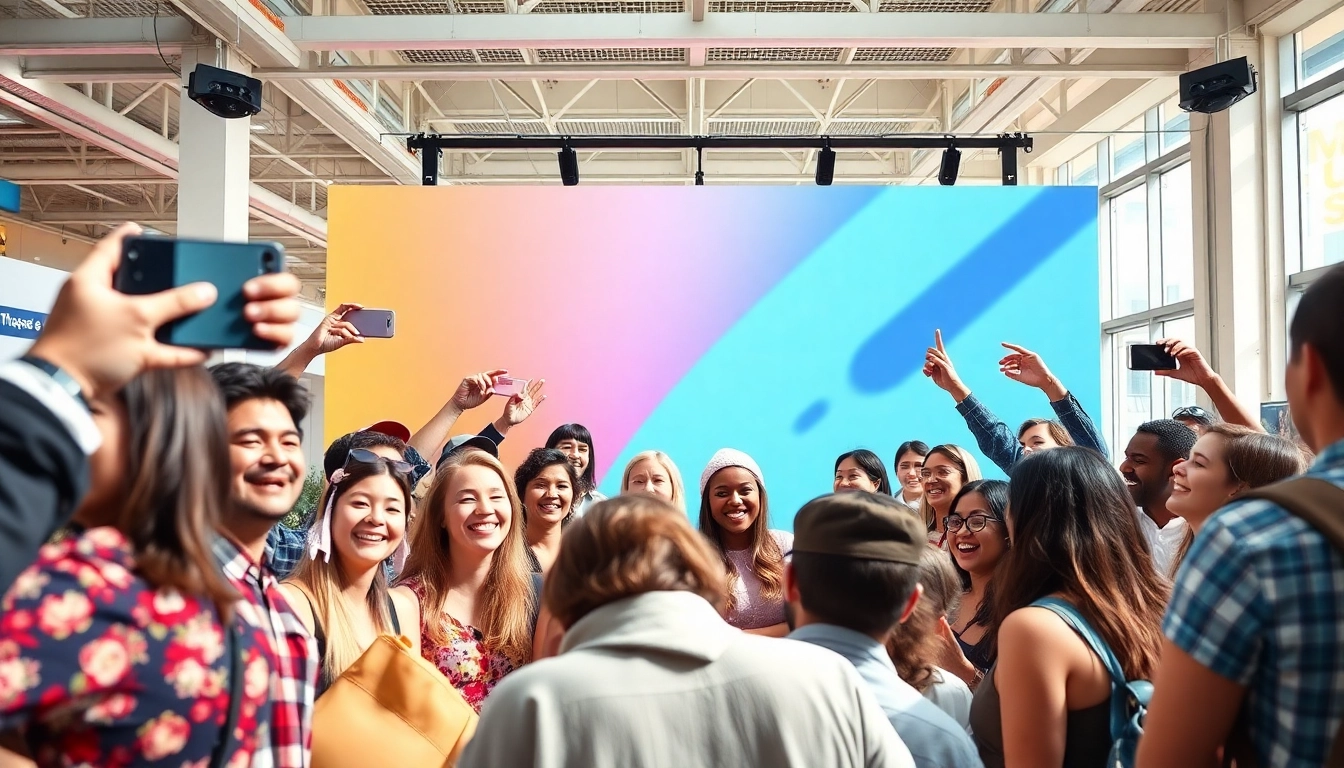
An interactive photo wall is a dynamic installation designed to engage guests and encourage creative expression through photographs. Guests take pictures or selfies in front of the wall, which is often embellished with various props, backgrounds, and themes that complement the event. This approach not only creates memorable experiences for participants but also enhances the atmosphere with visual appeal. Most importantly, an interactive photo wall integrates technology, allowing for real-time uploads and sharing on social media, making it an essential component of modern events.
How Interactive Photo Walls Enhance Events
The value of an interactive photo wall extends far beyond just taking pictures. One of its primary enhancements to events is fostering social interaction among guests. People are drawn to interactive settings, creating clusters of excitement and conversation. The wall serves as a focal point, providing a reason for guests to gather, share laughs, and ultimately, forge connections with each other.
Moreover, incorporating a photo wall elevates the branding of the event. Logos, hashtags, and custom backgrounds can be tailored to align with a brand’s identity. This visual consistency not only boosts brand recognition but also offers excellent marketing potential through the photographs shared on various platforms. When guests upload their fun pictures on social media, they inadvertently become brand ambassadors, reaching potential audiences far beyond the physical event.
Popular Uses for Interactive Photo Walls
Interactive photo walls are incredibly versatile, making them suitable for various occasions. Some of the most common uses include:
- Weddings: Couples can create a whimsical fairy tale background for guests to capture their joyful moments.
- Corporate Events: Businesses can showcase brand messages or milestones while encouraging networking among attendees.
- Birthday Parties: Themed backgrounds and props can fit various age groups, enhancing the fun.
- Festivals and Fairs: Bright and colorful photo walls can capture the festival spirit, attracting people to take part and share.
- Charity Events: A creatively branded wall can help spread awareness and capture the essence of the cause.
Design Essentials for Interactive Photo Walls
Selecting the Right Background and Props
The selection of backgrounds and props significantly influences the overall aesthetic and appeal of the interactive photo wall. When choosing a background, consider the theme of the event and the audience attending. Bright colors, fun patterns, or elegant designs can set the appropriate tone. To maximize engagement, incorporating elements that encourage interaction, such as speech bubbles, frames, or a photo booth setup can add creativity to the shots taken.
Moreover, props should be carefully curated to elicit enthusiasm. Props that suit the theme—like hats, sunglasses, or confetti—can enhance the fun as guests experiment with different configurations of their photos. Ensuring a mix of props will cater to various personalities, encouraging everyone to express themselves in front of the camera.
Integrating Technology for Engagement
Technology can significantly amplify the interactive experience. Using instant printing technology allows participants to receive physical copies of their photos right away, creating instant memories they can take home. Additionally, digital screens showing a live feed of uploaded pictures or a slideshow can keep the atmosphere lively and forever changing. It is also worth considering apps or social media integrations that all participants can connect to, enabling effortless sharing of their momentous experiences. Leveraging technology will engage guests on another level and make the event memorable.
Color Schemes and Aesthetic Considerations
Establishing a coherent color scheme is crucial. Colors evoke feelings and support the overall event theme—be it festive, calm, or professional. Complementary colors can be used to reinforce branding for corporate events, while brighter, more dynamic palettes are often favored for fun parties.
Texture and materials also play a significant role in aesthetics. For a more elegant touch, consider using fabric backdrops. For a whimsical vibe, paper or cardboard can be the way to go. Balancing these design elements carefully will create a visually rich setting for guests to engage with.
Setting Up Your Interactive Photo Wall
Choosing the Perfect Location
The location of the interactive photo wall is paramount to its success. Opt for an area with high foot traffic, ensuring maximum visibility and accessibility. Spaces near the entrance or bar are often prime locations, drawing in guests and encouraging them to participate early in the event. Additionally, ensure that the spot chosen has sufficient lighting, both for the clarity of photos and to create an inviting environment.
Logistical Considerations and Equipment Needed
Setting up your interactive photo wall requires proper planning and material acquisition. Essential equipment may include backdrops, props, cameras, and printing devices or software for photo sharing. If incorporating technology, having a reliable internet connection is crucial for seamless uploads to social media.
Furthermore, consider temporary lighting solutions, particularly if the venue does not provide adequate illumination for photographs. Last but not least, plan for enough space around the wall to accommodate groups since large gatherings will be common at interactive photo walls.
Creating a User-Friendly Experience
To maximize participation, ensure the interactive photo wall is user-friendly. This can be achieved by providing clear instructions or signage explaining how guests can take photos, print them, or share them digitally. Have staff members available to assist observers or offer props. Additionally, maintaining a clean and organized space ensures guests are comfortable capturing moments. Actively encourage participation with gentle prompts and enthusiasm, creating a welcoming atmosphere that invites every guest to join in.
Marketing Your Interactive Photo Wall
Promoting Through Social Media
Effective promotion of your interactive photo wall leads to increased engagement both at the event and online. Create dedicated hashtags for guests to use when sharing their photos, fostering a sense of community around the event. An active social media presence showcasing the interactive wall’s setup can build excitement ahead of the actual day.
Engage influencers or attendees before the event, giving them a sneak peek or opportunities to take part. Leverage platforms such as Instagram or TikTok, where visuals are crucial, to showcase the installation and attract an audience that appreciates interactive experiences.
Building Anticipation Pre-Event
Building anticipation for the interactive photo wall starts long before the doors open. Utilize email marketing, social media countdowns, and teaser posts to share highlights of the wall’s setup. Sharing how guests can personalize their experiences can entice them even further.
Incorporate interactive elements leading up to the event, such as polls asking what props viewers are most excited about or brainstorming themes. This involvement generates a buzz around the wall, reinforcing the idea that it is an essential part of the event.
Encouraging User-Generated Content
User-generated content serves as a powerful marketing tool. Encourage guests to share their photos by incorporating fun challenges or contests where attendees can win prizes for the most creative shots. Featuring a best picture of the day can lead to more interaction and shares online.
Additionally, consider creating a unique photo-sharing page or live gallery displaying all photos taken during the event to celebrate guests. This approach nurtures community while promoting the event and allows your brand to reach further into social media networks.
Measuring Success of Your Interactive Photo Wall
Analyzing Engagement Metrics
After hosting an interactive photo wall, measuring success involves a detailed analysis of various engagement metrics. Factors such as the total number of guests who participated, shares on social media, and the amount of physical copies printed can indicate how well the wall resonated with attendees.
Analyzing which props or backgrounds received the most photos aids in understanding participant preferences, guiding future events in a more targeted direction. Aim to define KPIs (Key Performance Indicators) early on to ensure proper metrics are captured.
Gathering Feedback for Improvements
Encouraging guests to provide feedback is invaluable for refining future setups. This can be executed through post-event surveys asking what worked and what could be improved upon in future wall installations. Insight into their experiences can inspire innovative ideas and highlight areas for enhancement, fostering continuous improvement.
Using Data to Plan Future Events
The data gathered from the interactive photo wall should inform future event planning. Review metrics to identify common themes and preferences to develop an engaging experience next time. Incorporating learnings into future projects not only cultivates brand credibility and trust but also keeps events fresh and engaging for attendees, ensuring they return for more.
Frequently Asked Questions
What is the purpose of an interactive photo wall?
An interactive photo wall engages guests, enhances experiences, and encourages social sharing, creating memorable moments during events.
How do I make my photo wall unique?
Incorporate personalized backgrounds, thematic props, and technology for instant sharing to create a unique identity tailored to your event.
What equipment do I need for a photo wall?
Essential equipment includes backgrounds, props, cameras, a printer for instant photos, and possibly tablets for digital uploads and sharing.
How can I promote my interactive photo wall?
Use social media marketing, dedicated event hashtags, and pre-event contests to promote your interactive photo wall and encourage guest participation.
What should I consider when choosing a location?
Select a high-traffic area, ensuring ample lighting and space for guests to gather and take photos, enhancing visibility and engagement.