Understanding the Benefits of a Pool Enclosure
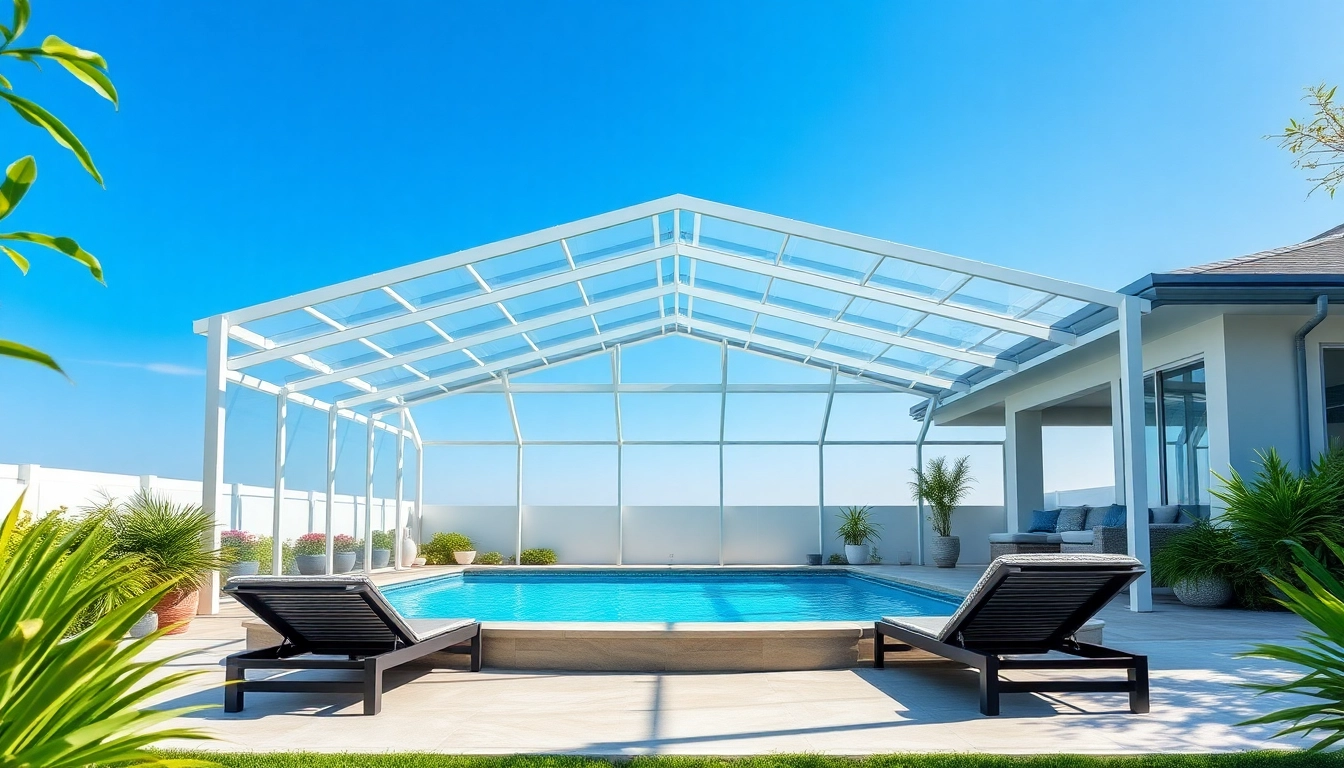
A Pool Enclosure is more than just a physical barrier around your swimming area; it is an investment that offers a myriad of benefits for homeowners. From providing safety and security to enhancing aesthetic appeal and reducing maintenance costs, the advantages are ample. Whether you're considering a year-round solution or a seasonal addition to your backyard, understanding the intrinsic benefits of a pool enclosure is essential.
Why Choose a Pool Enclosure?
Choosing a pool enclosure can transform how you interact with your outdoor space. Whether you’re looking for increased safety, visual appeal, or extended enjoyment of your pool area, a pool enclosure serves various functions. Among its most notable features is its ability to provide a controlled environment that allows for swimming regardless of the season. You can enjoy your pool year-round, protecting it from harsh weather conditions, debris, and insects.
Key Advantages for Homeowners
Homeowners often cite several advantages when it comes to installing a pool enclosure:
- Enhanced Safety: Enclosures create physical barriers that prevent unauthorized access by children and pets, thus minimizing the risk of accidents.
- Reduced Maintenance: By preventing debris from accumulating in your pool, enclosures significantly reduce the need for cleaning and maintenance.
- Increased Comfort: Pool enclosures create a space where temperature and moisture are controlled, allowing for comfortable swimming and relaxation.
- Aesthetic Appeal: A well-designed enclosure can enhance the visual appeal of your property, making it an attractive feature in your backyard.
- Increased Property Value: Having a professional and elegant pool enclosure can increase the overall property value, making it more attractive to potential buyers.
Energy Efficiency and Cost Savings
Investing in a pool enclosure can lead to notable savings when it comes to energy costs. By maintaining water temperature and reducing evaporation, you can significantly lower your heating expenses. Moreover, enclosures also contribute to chemical savings by keeping the pool cleaner and reducing the need for additional chemicals. As a result, homeowners often find that their investment in a pool enclosure pays off in reduced utility bills and chemical costs over time.
Types of Pool Enclosures
Choosing the right type of enclosure is critical to optimizing your pool area. Various styles and materials are available, each with its own unique benefits and aesthetic appeal.
Fixed vs. Retractable Pool Enclosure
When considering a pool enclosure, it’s essential to understand the difference between fixed and retractable options:
- Fixed Enclosures: These structures are permanent installations that provide robust protection against the elements. Fixed enclosures are ideal for homeowners looking for a low-maintenance solution to keep their pool clean year-round.
- Retractable Enclosures: These versatile enclosures can be opened or closed depending on the weather. This option allows for a more natural outdoor experience with the freedom to enjoy sunlight when desired while still providing protection when necessary.
Materials and Their Benefits
The choice of materials for a pool enclosure greatly influences its durability, functionality, and aesthetics. Common materials include:
- Aluminum: Lightweight and corrosion-resistant, aluminum structures are popular for their durability and low maintenance.
- Polycarbonate: Known for its strength and flexibility, polycarbonate can provide excellent UV protection while allowing sunlight to filter through.
- Glass: For an elegant and unobstructed view, glass enclosures are unbeatable. They are highly durable but may require more maintenance to keep clean.
Choosing the Right Style
When selecting a pool enclosure, consider aesthetics and functionality. Each style offers different advantages, such as:
- Traditional: Classic framed designs provide stability and can complement various architectural styles.
- Modern: Sleek, minimalistic designs blend seamlessly with contemporary landscapes.
- Customizable Options: Many manufacturers offer custom designs to fit your exact specifications, maintaining your unique outdoor aesthetic.
Installation Process and Considerations
Installing a pool enclosure can be a straightforward process if adequately planned. Understanding the necessary steps and considerations can help ensure a successful installation.
Steps to Install Your Pool Enclosure
- Planning: Assess your needs, determine your budget, and choose the type and style of enclosure.
- Design Approval: Obtain any necessary design approvals from local authorities. Ensure your design complies with municipal regulations.
- Preparation: Prepare the installation area, ensuring the ground is leveled and suitable for your chosen structure.
- Assembly: Follow the manufacturer’s instructions or hire professionals for an efficient installation process.
- Final Inspection: Once built, ensure the enclosure is secure, handles are functional, and it meets safety standards.
DIY vs. Professional Installation
Deciding between a DIY installation and hiring professionals depends on your skills, budget, and the complexity of the enclosure. While a DIY project can save costs, a professional installation ensures compliance with safety regulations and proper quality standards. It often comes down to your confidence and capability in handling home improvement projects.
Permits and Regulations
Before beginning the installation, check local regulations and requirements regarding permits. Building codes often dictate the type of enclosures permitted in your area and any safety features that must be included. It's essential to ensure that your installation adheres to these regulations to avoid potential fines or legal issues.
Maintenance Tips for Your Pool Enclosure
Proper maintenance is crucial for ensuring the longevity and effectiveness of your pool enclosure. Regular upkeep will enhance both aesthetics and functionality.
Cleaning Techniques for Different Materials
Each material requires specific cleaning techniques:
- Aluminum: Use mild detergent and a soft cloth or sponge to remove dirt and avoid scratching.
- Polycarbonate: Opt for a gentle solution and a soft brush to clean since harsh chemicals can damage the surface.
- Glass: For glass enclosures, regular window cleaning solutions can be safe and effective. Avoid abrasive tools.
Year-Round Upkeep Strategies
Setting up a schedule for regular maintenance checks will help maintain your enclosure. Monitoring seals, joints, and moving parts is vital to ensure they remain functional and don’t deteriorate over time. Early detection of wear and tear can prevent more extensive repairs or replacements.
Seasonal Adjustments and Care
Changing weather conditions can impact your pool enclosure. Below are tips for seasonally adjusting your enclosure care:
- Winter: Consider using a protective covers or treatments for harsh winter conditions to prevent damage from snow and frost.
- Summer: Regular checks for debris buildup will help ensure the enclosure keeps the water clean during hotter months.
- Spring and Fall: These transitional seasons are an excellent time to inspect, repair, and clean your enclosure thoroughly.
FAQs about Pool Enclosures
What is the cheapest way to enclose a pool?
The inflatable swimming pool enclosure — sometimes called a bubble or dome — is the easiest and cheapest way to enclose a swimming pool, providing a temporary solution that can be easily set up and removed.
How does a pool enclosure improve safety?
A pool enclosure adds a barrier that protects children and pets from accidental falls into the water, enhancing safety significantly.
What types of permits are needed?
Permits vary by location, but typically include zoning and building permits required for any pool enclosure installation to ensure adherence to local regulations.
How long does it take to install a pool enclosure?
The timeframe for installation can range widely—from a single day for simple structures to several weeks for more intricate and larger enclosures, depending on the type and size.
Can a pool enclosure affect property value?
Yes, a well-designed pool enclosure can enhance curb appeal and potentially increase the overall property value, making it more attractive to prospective buyers.