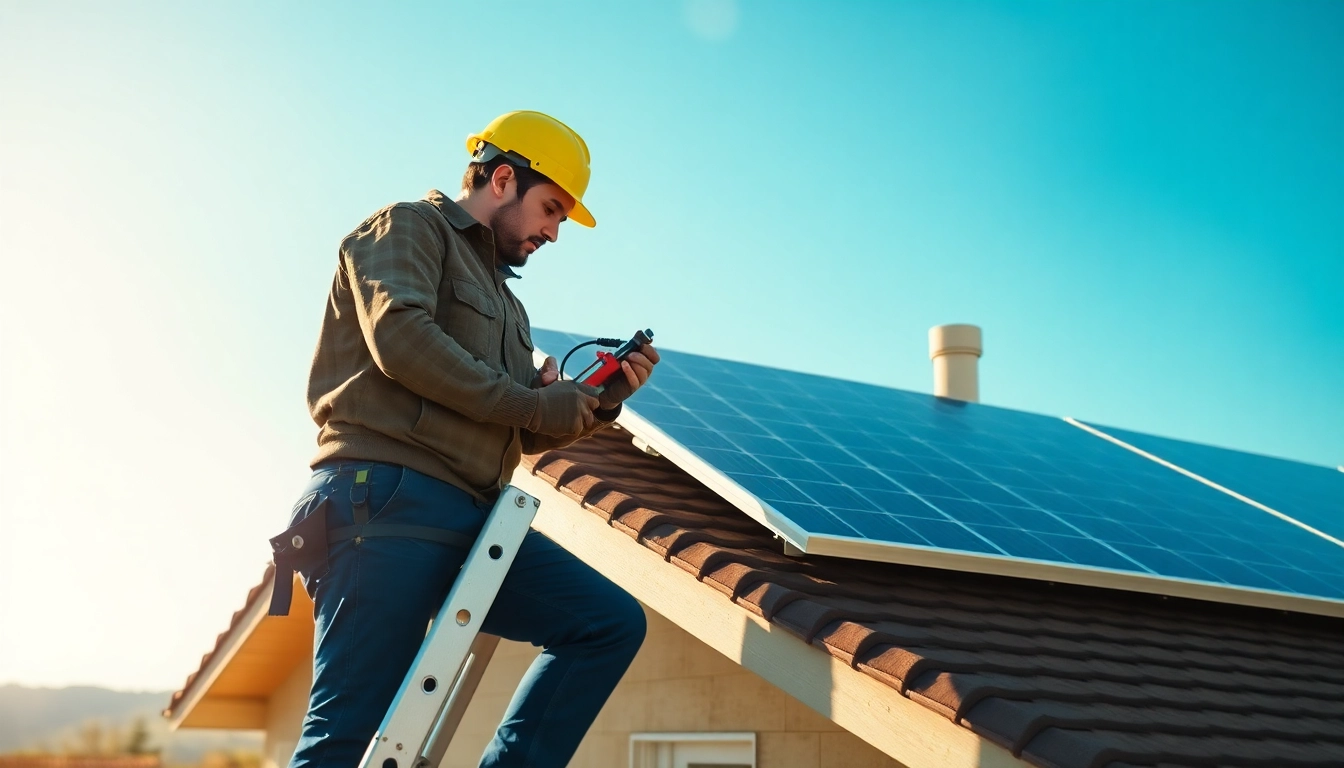
Understanding Solar System Repair
What is Solar System Repair?
Solar system repair refers to the process of diagnosing and addressing issues that affect the performance of solar energy systems. These systems, composed of solar panels, inverters, batteries, and other components, harness solar energy to produce electricity. When any part of this system fails or underperforms, it can significantly reduce energy efficiency and savings. Repair services may include component replacements, system diagnostics, and maintenance interventions designed to restore optimal functionality. To ensure your solar system operates efficiently over its lifespan, timely solar system repair is essential.
Common Issues in Solar Systems
Solar energy systems can experience a variety of problems, leading to decreased efficiency and potential failures:
- Cracked Panels: Weather events, debris, or improper installation may cause physical damage to solar panels.
- Inverter Malfunctions: Inverters are critical for converting DC electricity produced by solar panels into usable AC power. They can fail due to overloads or poor maintenance.
- Electrical Issues: Faulty wiring or loose connections can disrupt energy transmission and performance.
- Blocked Panels: Dirt, leaves, or snow can hinder sunlight absorption, reducing efficiency.
Importance of Regular Maintenance
Regular maintenance is crucial for ensuring the longevity and performance of solar systems. Scheduled inspections allow for early detection of potential issues and help avoid costly repairs down the line. Maintenance tasks often include cleaning panels, inspecting wiring, and checking inverter functionality. By proactively managing these aspects, homeowners not only safeguard their investment but also maximize energy production and savings.
Signs Your Solar System Needs Repair
Decreased Energy Production
A notable decrease in energy output is often the first indication that something is wrong with your solar system. This can be measured via energy bills or monitoring systems that track production. If your monthly output has dropped noticeably without a clear reason, it may indicate a need for professional assessment and repairs.
Physical Damage to Panels
Physical inspection of solar panels can reveal cracks, chips, or discoloration that suggest damage. Environmental factors like hail, falling branches, or even improper cleaning techniques can contribute to such issues. Even minor damage should be addressed to prevent further deterioration.
Inverter Issues and Faults
Inverters often include LED indicators to signal performance issues. A red or yellow light typically signifies a fault, suggesting that the inverter is not functioning properly. Listening for unusual sounds, such as buzzing or clicking, can also point to inverter problems that may require expert intervention.
The Solar System Repair Process
Initial Assessment and Diagnostics
The first step in the repair process is performing a thorough system assessment. This typically involves examining each component for physical damage, functional checks of the inverter, and assessing the overall energy output. Technicians often utilize specialized diagnostic tools to pinpoint areas of concern and gather data that will inform the repair strategy.
Repairing or Replacing Components
Once the assessment is complete, technicians will determine which components can be repaired or require replacement. Common repairs might involve re-wiring connections, cleaning panels, or replacing damaged components like inverters or circuit breakers. It’s essential to use high-quality parts to ensure compatibility and longevity.
Restoring System Efficiency
After repairs are made, it's vital to restore the solar system's performance. This might include testing the system under load, recalibrating settings on the inverter, or conducting a final inspection to ensure all components are functioning properly. System monitoring should be re-established to track energy production, ensuring that any lingering issues are swiftly addressed.
Choosing the Right Professionals for Solar System Repair
Qualifications and Experience to Look For
When selecting a professional for solar system repair, it is essential to consider their qualifications and experience. Look for certified technicians who have undergone training specific to solar energy systems. Experience with your system type can significantly impact repair quality and efficiency.
Evaluating Customer Reviews
Customer reviews offer valuable insights into a company's reliability and service quality. Look for detailed feedback regarding problems similar to yours, the timeliness of repairs, and customer service. Testimonials can often help distinguish the most reputable repair services in your area.
Questions to Ask Before Hiring
Before hiring a repair professional, don’t hesitate to ask questions to gauge their expertise:
- What types of solar systems have you repaired previously?
- Can you provide references from recent customers?
- What warranties or guarantees do you offer on repairs?
- How do you assess the performance of a solar system?
FAQs about Solar System Repair
Can I repair my solar panels myself?
Some minor repairs may be feasible for a DIY approach, like cleaning panels. However, significant issues should be handled by professionals to ensure safety and compliance with regulations.
How long does solar system repair take?
Repair duration varies widely based on the issue's complexity; minor problems can often be addressed within hours, while major repairs may take a few days to complete.
What are common costs associated with solar system repair?
Repair costs depend on various factors such as the type of issue and components involved, typically ranging from $150 to $600 for standard services.
Will I lose power during solar system repairs?
Temporary power outages might occur during repairs, but professional technicians usually schedule work at times that minimize disruptions to your energy supply.
How can I prevent future solar system issues?
Regular panel cleaning, prompt repairs of minor issues, and scheduled professional inspections are essential to maintaining optimal performance and preventing larger problems.