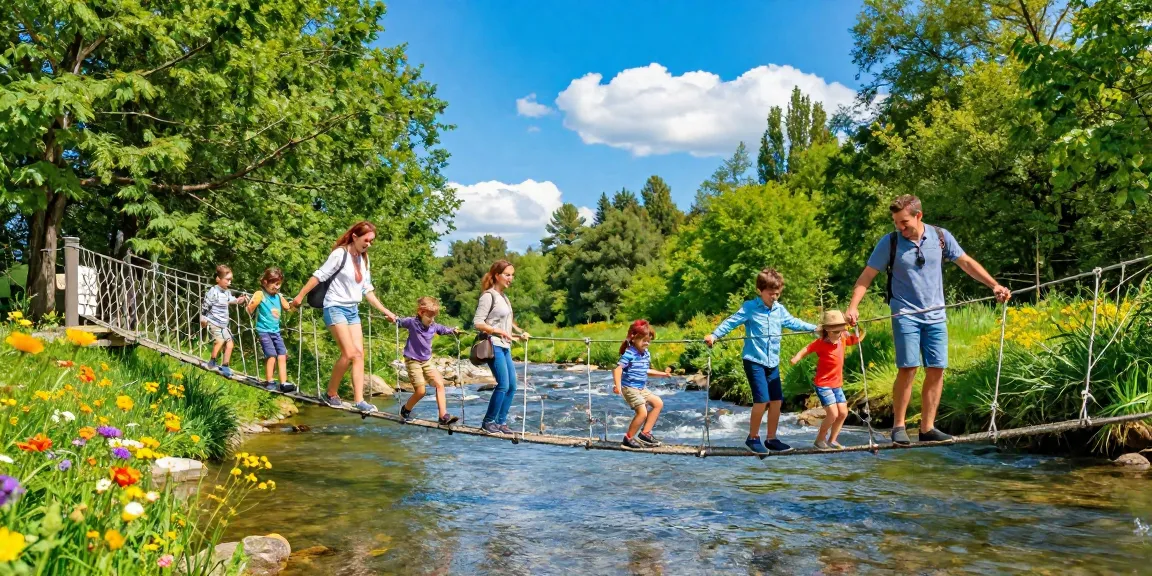
The Importance of River Rope Bridges in Outdoor Activities
River rope bridges play a crucial role in outdoor adventures, providing not only functional crossings over waterways but also enhancing the overall experience of nature exploration. These structures allow adventurers to access remote areas that would otherwise be difficult to reach, promoting eco-tourism and outdoor recreation. When exploring options, River Rope Bridge designs offer diverse solutions for various needs, ranging from personal use in private locations to large-scale installations for public parks and nature reserves.
What is a River Rope Bridge?
A river rope bridge is a type of suspension bridge characterized by its use of ropes as the primary load-bearing elements. Typically made from durable materials such as nylon or manila rope, these bridges are designed to span across rivers or other bodies of water, allowing pedestrians and sometimes cyclists to cross safely. The design often incorporates a series of cables or ropes that are secured to anchor points on either side of the river, providing both stability and flexibility.
Benefits of River Rope Bridges for Adventurers
Rope bridges have numerous advantages for outdoor enthusiasts:
- Accessibility: They facilitate access to otherwise unreachable areas, such as secluded hiking trails and camping spots.
- Sustainability: Using locally sourced and natural materials, these bridges can align with eco-friendly practices.
- Adventure Experience: Crossing a rope bridge adds an element of excitement and challenges adventurers to experience nature in a new way.
- Community Engagement: Installing a rope bridge can foster community involvement and promote local tourism.
Common Uses of River Rope Bridges in Recreational Activities
River rope bridges are commonly found in a variety of recreational contexts:
- Hiking Trails: Used to connect different segments of hiking trails across rivers.
- Camping Sites: Facilitating access to remote camping areas.
- Adventure Parks: Integral components of adventure parks, providing thrilling experiences for visitors.
- Community Events: Often used in events that include obstacle courses or team-building exercises.
Design and Construction of River Rope Bridges
Essential Materials for Building a River Rope Bridge
The construction of a river rope bridge requires careful selection of materials to ensure safety and durability. Key materials include:
- Rope: High-strength synthetic ropes or natural fibre ropes that can withstand tension and environmental conditions.
- Anchors: Bolts and eye hooks for secure attachment to surrounding structures or ground.
- Decking Materials: Wood planks, grating, or mesh that provide a walking surface, often treated for weather resistance.
- Support Structure: Steel cables or additional ropes to provide necessary support and stability.
Key Safety Features to Consider
Safety is paramount when designing and building a rope bridge. Key features to consider include:
- Load Capacity: Calculating the maximum load the bridge can bear, considering the number of users and their weight.
- Stability Reinforcements: Incorporating cross braces or additional cables to enhance stability.
- Handrails: Installing sturdy handrails along the sides to assist users in maintaining balance while crossing.
- Inspection Protocols: Establishing regular inspection routines to ensure the bridge remains in safe condition.
Design Techniques for Different Environments
Different environments require tailored design approaches:
- Mountainous Areas: Bridges may need to be constructed at steeper angles to accommodate rugged terrain.
- Flood-Prone Areas: Elevating the bridge and using materials that resist water damage are crucial.
- Urban Settings: Aesthetic considerations and integration with existing structures can play a significant role.
Cost Considerations for Installing River Rope Bridges
Factors Influencing the Cost of River Rope Bridge Construction
The overall cost of constructing a river rope bridge can vary significantly based on several factors:
- Materials: The type and quality of materials chosen will directly affect the budget.
- Location: Accessibility of the construction site can impact transportation costs of materials.
- Design Complexity: More intricate designs require additional engineering and labour, raising costs.
- Permitting and Regulations: Compliance with local regulations may necessitate additional expenses for permits and inspections.
Budgeting for Maintenance and Upkeep
Regular maintenance is essential to prolong the lifespan of a rope bridge:
- Inspection Frequency: Establishing a schedule for routine inspections can help catch issues early.
- Repair Costs: Budgeting for repairs to worn or damaged components prevents larger problems down the line.
- Weather Considerations: Protecting materials from harsh weather conditions can minimize wear and tear.
Comparing DIY Kits vs. Professional Installation
When considering the construction of a river rope bridge, options include DIY kits and professional installation:
- DIY Kits: Often more cost-effective, they require careful consideration of assembly instructions and safety protocols.
- Professional Installation: While more expensive, it ensures that the bridge is built to safety standards with professional oversight.
Real-World Applications and Case Studies
Successful River Rope Bridges Around the World
Numerous examples highlight the successful implementation of river rope bridges:
- The Q’eswachaka Bridge (Peru): An ancient Incan bridge made of grass, still maintained by local communities.
- Carrick-a-Rede Rope Bridge (Ireland): A famous tourist attraction that offers breathtaking views and thrilling experiences for visitors.
- Rope Bridges in Adventure Parks (USA): Various parks utilise rope bridges to enhance outdoor activities, increasing visitor enjoyment and engagement.
How River Rope Bridges Enhance Community Access
In many regions, river rope bridges drastically improve local transportation and access:
- Connecting Communities: They often link remote communities, making it easier for residents to access essential services.
- Promoting Tourism: Well-designed bridges can attract tourists and adventure seekers, boosting local economies.
- Sustainability Initiatives: Many bridges incorporate sustainable materials and construction practices, promoting eco-friendly tourism.
Lessons Learned from River Bridge Projects
Examining past projects provides valuable insights:
- Community Involvement: Engaging local communities in the design and maintenance phases results in better outcomes.
- Environmental Considerations: Careful planning to mitigate ecological impacts is crucial for sustainable development.
- Safety First: Prioritising safety features during design can prevent accidents and ensure public trust in the structure.
Future Trends in River Rope Bridge Development
Innovative Technologies Shaping the Future of Rope Bridges
Technological advancements are poised to revolutionise the construction and design of rope bridges:
- Smart Materials: The use of new materials that can provide real-time monitoring of structural integrity will enhance safety.
- 3D Printing: This technology may allow for the prefabrication of bridge components, reducing construction time and costs.
- Modular Designs: Future designs may incorporate modular components that can be easily replaced or upgraded as needed.
Environmental Considerations in Design
As awareness of environmental issues grows, future bridge designs will increasingly focus on sustainability:
- Eco-Friendly Materials: Utilising recycled or sustainably sourced materials will be a priority.
- Minimising Footprint: Designing bridges that reduce environmental disturbance during construction and use.
- Integration with Ecosystems: Ensuring structures work harmoniously with their surroundings to protect local wildlife.
Predictions for the Popularity of River Rope Bridges by 2026
As outdoor activities continue to gain popularity, the demand for river rope bridges is expected to rise:
- Increased Adventure Tourism: With more people seeking unique experiences, rope bridges will be an attractive feature in adventure tourism.
- Community Development Projects: Local governments may invest more in rope bridges to enhance access and promote tourism.
- Educational Initiatives: Schools and organisations may incorporate rope bridges into outdoor education programmes, encouraging physical fitness and environmental awareness.
What are those rope bridges called?
Rope bridges are often referred to as suspension bridges or cable bridges depending on their design specifics. They are adept at spanning gaps and are commonly used in both adventure tourism and rural access.
How much does a rope bridge cost?
The cost of a rope bridge can vary widely based on size, materials, and design complexity. On average, simple designs may start from a few thousand dollars, whereas elaborate installations might cost tens of thousands.
Where is the rope bridge located?
Famous examples of rope bridges include the Carrick-a-Rede Rope Bridge in Northern Ireland and the Q’eswachaka Bridge in Peru. Each of these structures holds historical and cultural significance while serving as practical crossings.
How to cross a river with a rope?
Crossing a river with a rope ideally involves secure anchoring on both banks and ensuring that the rope is tightened appropriately for stability. This technique is often utilised in various outdoor and survival situations.
Are rope bridges safe for children?
Rope bridges can be safe for children if designed with proper safety features, including sturdy handrails, non-slip surfaces, and supervision during use. It's essential to evaluate the specific bridge's design and the level of risk before allowing children to cross.