Understanding Age Perception and the Science Behind It
Age perception is a fascinating subject, encompassing not only how we view ourselves but also how society influences our self-image. One of the most common questions individuals ask is, "how old do I look?" This inquiry has led to the development of various age estimation tools, utilizing advanced technology and psychological insights to provide an answer. Understanding the intricacies of age perception can not only broaden our awareness of societal standards but also enhance our self-esteem and personal care routine.
What Is Age Perception?
Age perception refers to the subjective assessment of an individual's age based on their physical appearance and behavior. It is influenced by various factors, including cultural norms, personal experiences, and societal expectations. Our perception of age can significantly differ from our chronological age, leading to varying interpretations of what it means to look “young” or “old.”
The Psychology of How We See Age
Psychological factors play a crucial role in age perception. Cognitive biases can affect how we judge someone’s age based on their features, style, or even how they carry themselves. Research indicates that people often rely on specific facial markers, such as skin texture, facial symmetry, and even hairstyle, to make quick age assessments. Interestingly, these judgments are not only subjective but can also be influenced by societal pressures that dictate what is considered youthful or aged in different cultures.
Factors Influencing Age Estimation
- Facial Features: Wrinkles, fine lines, and skin elasticity are significant indicators that the human eye often recognizes when estimating age.
- Skin Tone: Uneven skin tone or pigmentation can lead to perceptions of increased age.
- Hair Color and Style: Graying hair or outdated hairstyles often signal aging.
- Lifestyle Choices: Habits such as smoking, sun exposure, and diet contribute to how old a person appears.
AI Technology in Age Estimation: Tools and Techniques
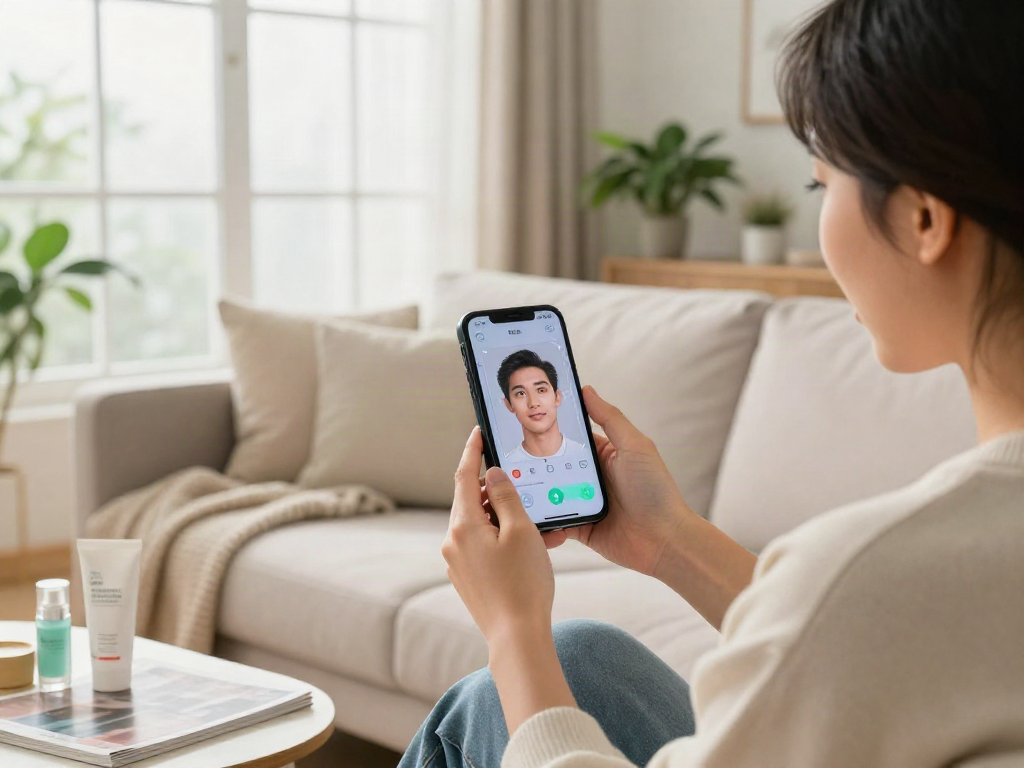
With the advancement of AI, tools for estimating age have become increasingly sophisticated. When exploring options, how old do I look applications use various algorithms to analyze facial features, providing an estimate of perceived biological age.
How AI Analyzes Facial Features
AI utilizes deep learning algorithms that are trained on large datasets of facial images, categorizing features to understand the factors that contribute to perceived age. By analyzing elements like crow's feet, smile lines, and the overall texture of the skin, these programs can provide an estimate that is surprisingly accurate. This technology has evolved rapidly, allowing users to get insights into their appearance instantly.
Popular Age Estimation Apps Explained
Several applications are making waves in the age estimation arena. For instance, AI-based platforms like FaceAge.ai and Fotor allow users to upload images and receive instant age assessments. These apps are not only user-friendly but also prioritize privacy, ensuring that personal data is handled securely.
Privacy Considerations When Using Age Estimation Tools
As the use of AI in age assessment grows, so do the concerns surrounding privacy. Users must be cautious about where they upload their photos and what data such applications may collect. It is essential to choose reputable platforms that emphasize encryption and data protection, ensuring that personal images are not misused.
Common Misconceptions About How Old Do I Look?
Despite the technological advancements in age estimation, several myths and misconceptions persist. Understanding these can help individuals navigate their perceptions more realistically.
Debunking Age Myths and Stereotypes
One of the most common misconceptions is that looking older is inherently negative. In many cultures, age is associated with wisdom and experience, and a person's worth should not be diminished by the appearance of aging. Recognizing this allows for a healthier relationship with one's self-image.
The Impact of Makeup and Grooming on Age Perception
Makeup and grooming significantly influence how age is perceived. While some may feel that makeup hides imperfections and elongates youthfulness, others may view it as exacerbating age. The key is to use these tools to enhance rather than mask one's features, promoting a natural look that reflects one's true age.
Understanding Biological vs. Chronological Age
Biological age, which reflects the condition of the body, can differ from chronological age, the actual number of years lived. Factors such as genetics and lifestyle choices heavily influence biological aging. Therefore, someone may appear younger biologically than their chronological age suggests.
Improving Your Skin and Appearance: Tips for Younger-Looking Skin
Maintaining a youthful appearance is often a goal for many. While genetic factors play a role, a proactive approach to skincare can yield significant benefits.
Daily Skincare Routines and Best Practices
- Moisturization: Keeping the skin hydrated is essential to maintaining elasticity and reducing the appearance of fine lines.
- Sunscreen: Daily application of sunscreen protects the skin from harmful UV rays, preventing premature aging.
- Gentle Cleansing: Using a gentle cleanser helps avoid stripping the skin of its natural oils.
Diet and Lifestyle Choices that Affect Skin Aging
A balanced diet rich in vitamins, antioxidants, and hydration promotes skin health. Foods like berries, nuts, and leafy greens can enhance skin appearance, as can adequate water intake. Avoiding excessive alcohol and smoking can also improve one's look significantly.
Seeking Professional Treatments: What to Consider
For those seeking more dramatic changes, various professional treatments can help maintain a youthful appearance. Options range from cosmetic procedures like Botox and fillers to laser treatments that enhance skin texture. It is important to consult with a licensed dermatology professional to assess individual needs and expectations.
The Future of Age Estimation Technology in 2026 and Beyond
As technology continues to evolve, the future of age estimation looks promising. Innovations in AI and machine learning are expected to refine the accuracy of age estimation tools.
Trends in AI and Facial Recognition Technology
Upcoming developments in AI will likely involve enhanced algorithms capable of recognizing more subtle features associated with aging, including changes in facial expressions associated with different age groups.
Predictions for Age-Related Apps and Features
In the coming years, it is expected that more personalized features will emerge in age-related applications. Users may benefit from customized skincare routines based on their perceived age, or apps may include augmented reality to visualize potential future changes based on lifestyle choices.
Ethical Implications of Age Estimation Tools
As the use of age estimation tools becomes widespread, ethical considerations regarding body image, self-perception, and privacy must be addressed. Society should engage in conversations about the implications of these technologies, ensuring they are used positively without contributing to societal pressures surrounding age.
What makes how old do I look apps accurate?
The accuracy of age estimation applications relies heavily on the quality of the algorithms and the datasets used to train them. High-quality images and a diverse dataset can significantly improve the precision of age assessments.
Can I change how old I look with skincare?
While skincare won’t stop aging, a consistent regimen can significantly enhance the skin's appearance, potentially making individuals look younger than their chronological age.
Are age estimation tools reliable for all ages?
Most age estimation tools are trained primarily on images of adults and may not be as reliable for younger individuals. As a result, their accuracy can vary based on the user’s age.
How does lighting affect age perception in photos?
Lighting plays a vital role in how we perceive age in photographs. Natural light can highlight features and create a softer appearance, while harsh lighting may accentuate wrinkles and imperfections.
What are the best practices for using these apps safely?
To ensure safe use of age estimation apps, users should always review privacy policies, opt-out of features that share personal information, and limit the amount of sensitive data shared with these platforms.