The Importance of Fresh Ingredients in Restaurant Cuisine
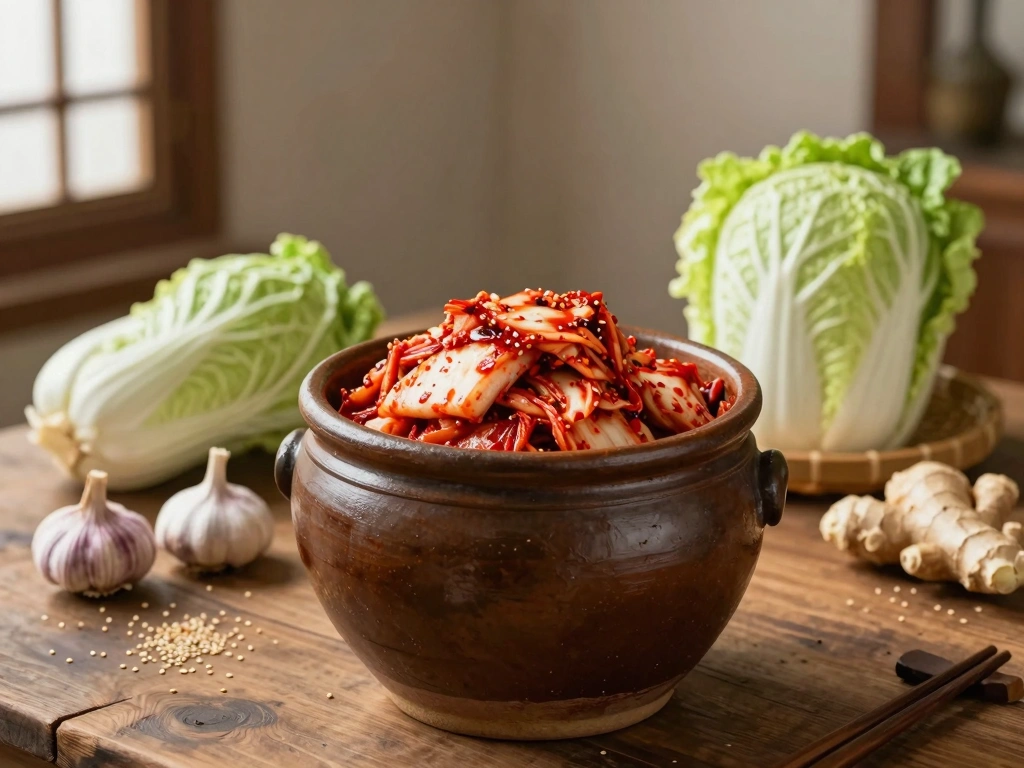
In the competitive world of dining, the emphasis on fresh ingredients has never been more critical. Consumers are increasingly savvy about their food choices and are drawn to restaurants that prioritize quality and sustainability. Utilizing fresh, locally sourced ingredients not only enhances the flavor of dishes but also contributes to a restaurant's unique identity. For example, MISTERHOKI exemplifies how fresh ingredients can shape a memorable dining experience.
Understanding Local Sourcing
Local sourcing is about more than simple logistics; it's a philosophy that emphasizes community and supports local farmers. When restaurants rely on regional suppliers, they benefit from a reduced carbon footprint and fresher produce. Local ingredients often travel shorter distances, which means they are harvested at peak ripeness, leading to superior flavor and nutritional value. Additionally, restaurants that embrace local sourcing can market themselves as champions of sustainability and community support, which resonates well with today's conscientious diners.
Benefits of Organic Produce
Organic produce has gained substantial popularity due to its perceived health benefits and environmental advantages. The absence of synthetic pesticides and fertilizers not only makes organic ingredients healthier for consumers; it also promotes biodiversity in agriculture. For restaurants, using organic produce can differentiate their offerings in a crowded market. Guests are increasingly aware of what they eat, and choosing organic ingredients can show a restaurant's commitment to health and quality.
Seasonal Menus and Sustainability
Embracing seasonal menus is another effective approach to maintaining freshness and sustainability in restaurant cuisine. Seasonal menus allow chefs to incorporate the best available ingredients, reducing reliance on imports and enhancing dish flavor. Moreover, seasonal offerings create excitement among diners who look forward to trying new dishes throughout the year. This approach not only aligns with sustainability practices but also helps restaurants manage food costs more effectively as they capitalize on what is in abundance.
Culinary Techniques that Enhance Flavor
The role of culinary techniques in enhancing flavor cannot be overstated. From the way ingredients are prepared to the methods of cooking, the impact on taste and presentation is profound. For aspiring restaurateurs and chefs, mastering these techniques can elevate their menu offerings significantly.
Cooking Methods Explained
There are various cooking methods available, each lending itself to specific types of dishes and flavors. Techniques such as grilling, roasting, and sous-vide can bring out unique qualities in ingredients. For instance, grilling imparts smokiness, while sous-vide enhances tenderness and moisture retention. Understanding these methods and when to apply them is essential for any culinary professional aiming to deliver extraordinary dining experiences.
Importance of Presentation
Presentation plays a crucial role in how food is perceived. A dish that is visually appealing can enhance the dining experience by stimulating the appetite and setting expectations for taste. From the arrangement of components on a plate to the choice of serving ware, every detail matters. Chefs can utilize colors, textures, and garnishes to create dishes that are not only delicious but also captivating to the eye, thereby increasing their overall appeal.
Integrating Spices and Herbs
Culinary professionals must understand how to effectively integrate spices and herbs to amplify flavor profiles. Each herb and spice carries its unique characteristics that can transform a dish. Fresh herbs, like basil or cilantro, add brightness and aromatic allure, while spices like cumin or smoked paprika introduce warmth and depth. By experimenting with combinations and learning how flavors interact, chefs can create multi-dimensional dishes that tell a story with every bite.
Creating a Unique Dining Experience
Today's diners are looking for more than just a meal; they seek an immersive experience. Restaurants can differentiate themselves by focusing on creating unique and memorable dining experiences that go beyond food quality.
The Role of Ambiance
Ambiance is a critical aspect of the dining experience. Elements such as lighting, decor, music, and overall atmosphere influence how diners perceive their meal. Restaurants can use ambiance to evoke specific feelings, whether it's elegance, comfort, or energy. Thoughtful design choices can enhance the experience, making patrons feel more relaxed and engaged, ultimately leading to repeat visits and positive word-of-mouth.
Customer Service Excellence
Exceptional customer service is the backbone of the dining experience. Staff members trained in hospitality are key to making patrons feel valued. From greeting guests warmly to providing knowledgeable recommendations, attentive customer service can turn an average visit into a remarkable one. Tools like staff training programs and team-building activities contribute to seamless service, fostering a culture of excellence within the restaurant.
Personalized Menus for Special Occasions
Creating personalized menus for special occasions can significantly enhance the dining experience. Tailoring offerings for events such as birthdays, anniversaries, or corporate gatherings shows a level of care that patrons appreciate. Custom menus can reflect the preferences of the guests and even include special dietary considerations, ensuring that everyone has an enjoyable experience. Such attention fosters strong customer loyalty and helps promote the restaurant as an ideal venue for celebrations.
Innovative Trends in Restaurant Menus
The culinary world is continuously evolving, with new trends emerging regularly. Restaurants that keep pace with these trends can attract a broader audience and cater to changing consumer preferences.
Plant-Based Alternatives
The rise of plant-based diets has caused a paradigm shift in the restaurant industry. Offering compelling plant-based options on the menu not only caters to vegans and vegetarians but also appeals to a growing number of meat-reducers. By creatively substituting traditional ingredients with plant-based ones, restaurants can attract health-conscious diners while promoting sustainability. It’s essential for chefs to develop flavorful and satisfying alternatives that highlight the versatility of plant-based cuisine.
International Cuisine Inspirations
Global flavors have become increasingly popular as diners seek new culinary experiences. Integrating international cuisine into menu offerings can introduce patrons to exciting tastes and textures. Drawing inspiration from different cultures can lead to innovative combinations that surprise and delight guests. For instance, fusing traditional recipes with contemporary cooking techniques can create extraordinary dishes that reflect a restaurant's unique identity.
Crossover Dishes and Fusions
Crossover cuisine, where different culinary traditions are blended to create new dishes, is also on the rise. Popular examples include sushi burritos or Korean tacos, which fuse elements from disparate cultures into a single cohesive dish. These creative fusions can rejuvenate a restaurant's menu and inspire customer interest. For chefs, the challenge lies in maintaining balance and ensuring that both culinary influences harmonize well together.
Metrics for Success in Restaurant Operations
To thrive in the restaurant industry, operators must prioritize key performance metrics that gauge success and inform decision-making. Analyzing data helps identify areas for improvement and growth.
Key Performance Indicators
Establishing clear key performance indicators (KPIs) is essential for measuring success. Common KPIs in the restaurant industry include sales per guest, table turnover rates, and food cost percentages. Regularly evaluating these metrics empowers restaurant owners and managers to make data-driven decisions that enhance operations and profitability. Setting specific goals tied to these indicators can also motivate staff and drive cohesion throughout the restaurant.
Customer Feedback and Improvement
Customer feedback provides invaluable insights into guest satisfaction and areas needing improvement. Platforms for collecting feedback range from comment cards to digital surveys. Restaurants should actively engage with patrons to solicit their opinions and, more importantly, act on the feedback received. Creating a culture that values guest input demonstrates a commitment to delivering an excellent dining experience, leading to improved retention rates and positive reviews.
Financial Health and Inventory Management
Effective financial management is crucial for the sustainability of any restaurant. This includes maintaining accurate financial records, budgeting effectively, and analyzing economics of the menu. Additionally, robust inventory management practices help mitigate waste and control food costs. By leveraging technology for inventory tracking and analysis, restaurant operators can optimize their supply chain, reduce expenses, and improve overall profitability.
Frequently Asked Questions
Why are fresh ingredients important in cooking?
Fresh ingredients enhance the flavor, nutritional value, and presentation of dishes, making meals more enjoyable and healthy.
How does local sourcing benefit restaurants?
Local sourcing supports community agriculture, reduces carbon footprint, and typically ensures fresher, seasonal produce for higher quality meals.
What cooking methods should a restaurant use?
Restaurants should utilize a variety of methods like grilling, roasting, and sous-vide, depending on the desired outcomes for flavor and texture.
How can ambiance affect dining experiences?
A well-designed ambiance can enhance mood, set expectations, and increase overall enjoyment, making it crucial for restaurants aiming for repeat customers.
What are key metrics for restaurant success?
Key metrics include sales per guest, customer satisfaction, food costs, and employee performance, which help identify areas needing improvement.