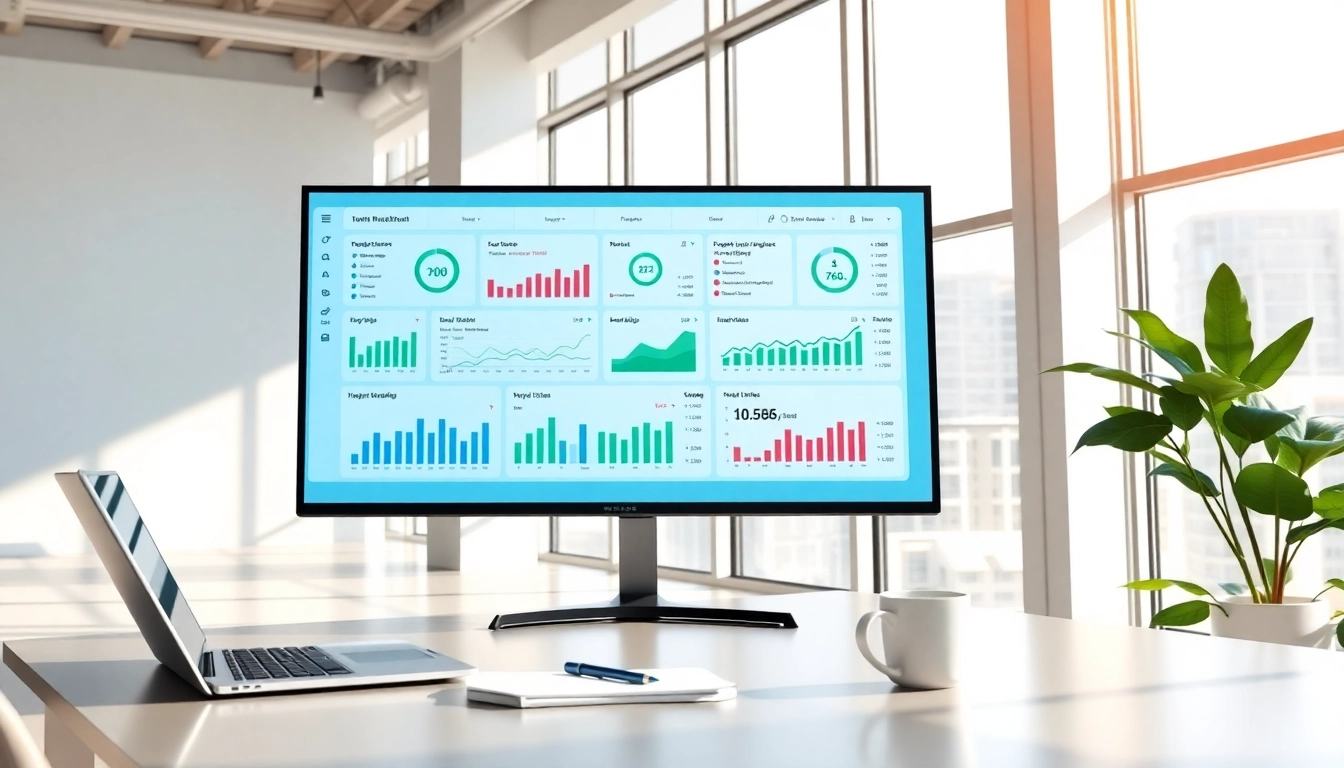
Understanding the Unified Marketing Dashboard for Real Estate
What is a Unified Marketing Dashboard?
A unified marketing dashboard serves as a comprehensive platform that consolidates diverse marketing insights and data into one accessible interface. Designed specifically for the real estate sector, it allows agents and marketers to visually interpret key metrics such as leads, sales performance, and property analytics. The objective is to support decision-making processes and enhance overall marketing efficiency.
The significance of a unified marketing dashboard for real estate lies in its ability to automate data collection from various sources. By centralizing this information, it provides a holistic view of performance across different marketing channels, allowing for quicker adjustments and strategy formulation. For real estate professionals, having this unified perspective is crucial for managing listings, leads, and marketing campaigns effectively. Integrating these insights into daily operations fosters smarter decisions, as stakeholders can track metrics and trends in real-time.
Benefits of Using a Unified Marketing Dashboard for Real Estate
Adopting a unified marketing dashboard can profoundly impact operational efficiency within real estate firms. Here are some of the core benefits:
- Enhanced Efficiency: By centralizing data from various marketing sources, professionals save time spent on manual reporting.
- Improved Decision-Making: Access to real-time data allows for prompt adjustments to marketing strategies or sales tactics.
- Increased Transparency: A clear view of performance metrics fosters accountability among teams, ensuring everyone is aligned towards common goals.
- Better Client Insights: Detailed analytics help marketers understand client behavior and preferences, allowing for enhanced targeting.
- Cost-Effective Strategic Planning: Understanding ROI on various channels enables more judicious budget allocations.
Ultimately, leveraging a unified marketing dashboard can help real estate professionals streamline their strategies, yielding faster results and an overall increase in operational productivity. For more detailed insights on building strength through analytics, explore how a unified marketing dashboard for real estate can transform your processes.
Key Features to Look For
To maximize the effectiveness of a unified marketing dashboard, it's crucial to select one that includes several key features:
- Data Integration: Ensure it can connect with multiple platforms (CRMs, social media, email, etc.) to consolidate data.
- User-Friendly Interface: A clean, intuitive layout helps users navigate and utilize the dashboard without extensive training.
- Custom Reporting: Personalization of reporting metrics to align with specific business goals is essential.
- Real-Time Analytics: Ability to provide updated data continuously for timely adjustments in strategies.
- Mobile Compatibility: Accessing the dashboard on the go enhances flexibility for busy real estate professionals.
- Collaboration Tools: Built-in features for teams to share insights and reports easily foster teamwork.
Choosing the right dashboard that encompasses these features can significantly impact marketing effectiveness and drive overall success in real estate ventures.
Challenges in Implementing a Unified Marketing Dashboard
Common Obstacles Real Estate Professionals Face
While unified marketing dashboards offer numerous advantages, implementing them can come with challenges:
- Data Silos: Disparate data sources often complicate the integration process, resulting in incomplete insights.
- Resistance to Change: Existing team habits and reluctance to adopt new tools can hinder the successful implementation of dashboards.
- Technical Limitations: Insufficient technology integration or outdated systems may not support newer dashboard functionalities.
- Complexity of the Data: Interpreting vast amounts of data can be overwhelming for users unfamiliar with data analysis.
Addressing these obstacles proactively can lead to a smoother transition into utilizing unified marketing dashboards effectively.
Overcoming Technical Challenges
Overcoming technical challenges necessitates deliberate planning and execution:
- Data Mapping: Ensure that all data from different platforms is accurately mapped to avoid discrepancies.
- Regular Software Updates: Stay current with updates and patches to prevent compatibility issues.
- Training and Support: Ongoing staff training and access to technical support help alleviate user resistance.
- Utilize Dashboards Incrementally: Start with essential features and gradually incorporate advanced functionalities as users gain confidence.
By following these strategies, real estate professionals can mitigate technical challenges and enable successful implementation of their dashboards.
Ensuring User Adoption
User adoption is pivotal for the success of any unified marketing dashboard:
- Involve End-Users Early: Include team members in the selection and implementation process for better buy-in.
- Highlight the Benefits: Clearly communicate how the dashboard simplifies tasks and enhances productivity.
- Offer Hands-On Training: Provide practical training sessions tailored to varied user levels within the organization.
- Create Champions: Identify and cultivate experienced users to assist others and encourage positive use of the dashboard.
Fostering a culture that embraces new tools is critical in achieving long-term success with unified marketing dashboards.
Best Practices for Using a Unified Marketing Dashboard
Setting Up Your Dashboard for Success
A successful dashboard setup involves deliberate planning and understanding of user needs:
- Define Clear Objectives: Align dashboard functionality with specific goals such as lead tracking, campaign performance, or agent productivity.
- Customizable Views: Ensure each user can personalize their dashboard view to focus on metrics most pertinent to their role.
- Regular Review Meetings: Instigate routine evaluations to adapt and optimize dashboard functionality based on emerging needs.
Following these guidelines will significantly improve the usability of the dashboard and ensure it meets real estate professionals' needs effectively.
Integrating Data Sources Effectively
Effective integration of data sources is essential for a cohesive dashboard experience:
- Standardize Data Formats: Ensure that data from different sources adheres to consistent formats for seamless integration.
- Automate Data Collection: Set up automated data pulls from various platforms to reduce manual input errors.
- Scheduled Syncs: Implement regular sync intervals to keep data fresh and accurate.
With robust data integration in place, users can trust the metrics and visuals presented in the dashboard.
Analyzing Key Performance Indicators
Analyzing KPIs is crucial for measuring success and informing future strategies:
- Relevant Metrics: Focus on KPIs that directly correlate with business goals, such as lead conversion rates, ROI, and customer engagement.
- Visual Data Representation: Use graphs and charts within the dashboard to enhance data comprehension.
- Actionable Insights: Regularly derive insights to inform marketing decisions and assess overall business health.
Thorough analysis of KPIs helps real estate professionals make informed decisions that align with their strategic priorities.
Examples of Successful Implementations
Case Studies of Effective Dashboards
Real-life examples showcase the transformative potential of a unified marketing dashboard:
Consider a real estate agency that integrated their marketing dashboard. By centralizing data analytics, they identified significant inefficiencies in their lead generation process. Adjustments based on dashboard insights led to a 30% increase in lead conversion rates within just a few months.
Another case highlights a property management firm that utilized a unified marketing dashboard to consolidate tenant communications, maintenance requests, and leasing metrics. Improved visibility into tenant engagement resulted in enhanced satisfaction and a measurable decrease in turnover rates.
Industries Benefiting from Unified Marketing Dashboards
While primarily focused on real estate, various industries can leverage unified marketing dashboards:
- Retail: Retail businesses use dashboards to monitor sales performance and inventory levels, enabling data-driven replenishment strategies.
- Healthcare: In healthcare, dashboards help in tracking patient engagement and operational efficiency across departments.
- E-commerce: E-commerce platforms utilize dashboards to analyze consumer behavior and optimize pricing strategies effectively.
Unified marketing dashboards can thus provide immense value across sectors, enhancing strategic decision-making capabilities.
Innovative Dashboard Designs
Modern dashboard designs emphasize user experience and functionality. Key trends in dashboard design include:
- Minimalist Aesthetics: Clean, uncluttered designs enhance focus and usability.
- User-Centric Features: Customizable dashboards tailored to individual user needs improve overall satisfaction and usability.
- Interactive Visualization: Utilizing interactive elements to allow users to drill down into data promotes deeper analysis.
Adopting these design principles helps keep dashboards engaging and effective for users across different roles within real estate.
Future Trends in Real Estate Marketing Dashboards
Emerging Technologies Shaping Dashboards
Upcoming trends in technology are poised to further enhance the capabilities of marketing dashboards:
- Artificial Intelligence: AI is increasingly being integrated into dashboards to provide predictive analytics and smarter insights.
- Machine Learning: As dashboards leverage machine learning, the automation of data insights will become more sophisticated.
- Cloud-Based Systems: Increased cloud integration ensures real-time data availability and remote access to dashboards.
These advancements will enhance dashboard functionality and adaptability, meeting the evolving needs of real estate professionals.
The Impact of Data Analytics
The surge of data analytics is reshaping how real estate professionals interact with their unified marketing dashboards:
- Predictive Analysis: Understanding future trends based on historical data will empower tactful decision-making in marketing strategies.
- Customer Segmentation: Enhanced data segmentation enables more personalized marketing approaches, increasing engagement.
- Performance Benchmarking: Establishing baselines through analytics helps in evaluating organizational performance vs. industry standards.
Incorporating advanced data analytics into dashboard usage equips real estate professionals with a competitive edge.
Customization and Flexibility in Dashboard Design
Customization is increasingly critical in the design of marketing dashboards:
- Tailored Templates: Users should have access to templates that can be modified to suit individual business functions.
- Adaptable Metrics: Allow users to select KPIs that matter most to them, creating a more responsive dashboard experience.
- Flexible Reporting Formats: Reporting options that cater to different stakeholder preferences enhance communication and comprehension.
With an emphasis on flexibility and user customization, real estate professionals can achieve a more relevant and actionable dashboard experience.
Frequently Asked Questions
What is a unified marketing dashboard?
A unified marketing dashboard is an analytics tool that aggregates data from multiple sources into a single interface to aid decision-making and performance tracking in marketing.
How can a unified marketing dashboard benefit real estate agents?
It enhances efficiency by centralizing data, improves decision-making through real-time analytics, and fosters transparency among team members.
What features should I look for in a marketing dashboard?
Look for data integration capabilities, user-friendly interfaces, customizable reporting, real-time analytics, and mobile compatibility.
How can I ensure user adoption of a marketing dashboard?
Involve end-users in the selection process, provide hands-on training, and highlight the benefits of using the dashboard in everyday tasks.
What industries can benefit from unified marketing dashboards?
In addition to real estate, industries like retail, healthcare, and e-commerce benefit from unified marketing dashboards for enhanced data insights and decision-making.
Through understanding, proper implementation, and adherence to best practices, the adoption of a unified marketing dashboard for real estate can drive significant improvements in efficiency, transparency, and overall marketing success. As the landscape of real estate continues to evolve, harnessing the power of these dashboards will ensure that professionals remain competitive and effective in their strategies.