Understanding Machined Stainless Steel Parts
In the realm of precision manufacturing, machined stainless steel parts have become indispensable across various industries. These components are celebrated for their durability, corrosion resistance, and excellent machinability, making them ideal for applications that demand both strength and precision. Whether in aerospace, automotive, or medical devices, the significance of these parts cannot be understated. In this article, we will delve into the characteristics, applications, and best practices surrounding machined stainless steel parts, shedding light on their importance in modern manufacturing.
What are Machined Stainless Steel Parts?
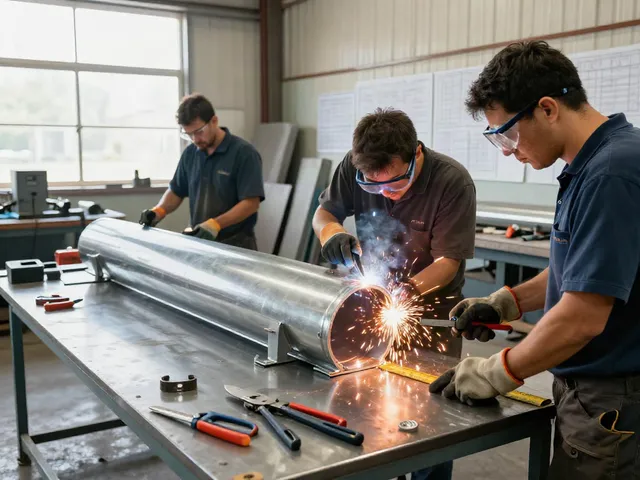
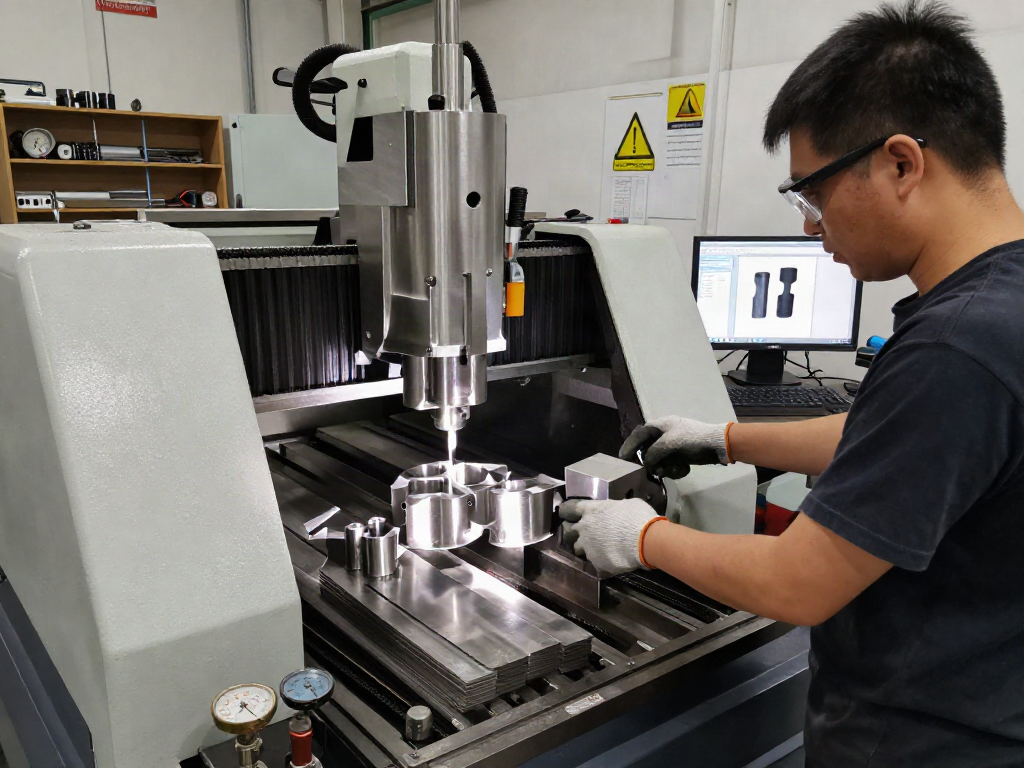
Machined stainless steel parts are components fabricated through machining processes, where material is removed from a solid block of stainless steel to achieve the desired shape and tolerances. This method affords a high degree of precision and repeatability, enabling manufacturers to produce intricate designs that meet stringent specifications. The most common machining techniques include CNC machining, milling, turning, and drilling, each chosen based on the specific requirements of the part being produced.
Common Applications of Machined Stainless Steel Parts
Machined stainless steel parts find their niche in a variety of applications due to their robust properties. Here are some of the most prevalent uses:
- Aerospace components: Parts such as brackets, fittings, and structural components that can withstand extreme conditions and stresses.
- Medical devices: Surgical instruments and implants require high hygiene standards and corrosion resistance, making stainless steel an ideal choice.
- Automotive industry: Engine components, brackets, and fasteners that combine strength with weight savings.
- Food processing equipment: Parts that must maintain cleanliness and adhere to strict health regulations.
Benefits of Using Stainless Steel in Machining
The decision to utilize stainless steel for machining comes with a plethora of advantages:
- Corrosion resistance: Stainless steel inherently resists rust and oxidation, making it suitable for harsh environments.
- Strength and durability: The material's inherent strength allows for the production of parts that can endure substantial mechanical loads.
- Versatility: Stainless steel can be easily machined into various shapes and sizes, thus accommodating diverse design specifications.
- Low maintenance: Parts made from stainless steel require less frequent maintenance compared to those made from other materials.
Choosing the Right Grade of Stainless Steel
Selecting the correct grade of stainless steel is crucial for achieving the desired performance of machined parts. When exploring options, machined stainless steel parts can be tailored specifically to application demands based on properties such as corrosion resistance, strength, and machinability.
304 vs. 316: Which Grade Suits Your Needs?
The two most commonly used grades of stainless steel in machining are 304 and 316. Both have their unique properties that make them suitable for different applications:
- 304 Stainless Steel: Known for its excellent corrosion resistance and good machinability, 304 is often used in food processing, kitchen equipment, and chemical storage. However, it is less resistant to saltwater corrosion compared to 316.
- 316 Stainless Steel: This grade contains molybdenum, enhancing its resistance to corrosion, particularly in saline environments. It is ideal for marine applications, chemical processing, and medical devices.
Properties and Applications of Different Grades
In addition to 304 and 316, other stainless steel grades such as 430, 17-4 PH, and 2205 may be selected based on specific engineering needs:
- 430 Stainless Steel: Often used in automotive and appliance applications due to its good corrosion resistance and formability.
- 17-4 PH Stainless Steel: A precipitation-hardening grade, ideal for applications requiring high strength and hardness.
- 2205 Duplex Stainless Steel: Offers better resistance to stress corrosion cracking and is used in oil and gas industries.
Factor in Cost and Availability
When selecting stainless steel grades, it is essential to consider not only the performance characteristics but also the cost and availability of the materials. The price can vary significantly based on the grade, and certain grades may be more readily available than others, impacting project timelines.
Machining Processes for Stainless Steel Parts
CNC Machining: An Overview
CNC (Computer Numerical Control) machining represents the forefront of machining technology. This process utilizes computer-controlled machines to remove material and create intricate parts with high precision. CNC machining is particularly effective for stainless steel due to its ability to handle the material's toughness and generate complex shapes consistently.
Turning and Milling Techniques
Two primary machining processes used for creating stainless steel parts are turning and milling:
- Turning: This process involves rotating the workpiece while a single-point cutting tool removes material. Turning is ideal for producing cylindrical parts like shafts and fittings.
- Milling: Here, the workpiece remains stationary while a rotating cutting tool moves across its surface. Milling is versatile and can create flat surfaces, grooves, and complex designs.
Best Practices for Machining Stainless Steel
To ensure optimal results when machining stainless steel, several best practices should be adhered to:
- Tool selection: Using sharp tools specifically designed for stainless steel will minimize work hardening and ensure a clean cut.
- Coolant use: Employing appropriate cutting fluids can reduce heat, prevent tool wear, and improve surface finish.
- Feed rates: Adjusting feed rates according to material thickness and tooling capabilities can enhance productivity while maintaining quality.
Quality Control in Machined Parts Production
Importance of Tolerance and Precision
The production of machined stainless steel parts necessitates rigorous quality control to ensure that each component meets its design specifications. Tight tolerances are crucial, as poor quality can lead to part failure and costly rework. Adopting advanced measurement techniques like laser scanning and coordinate measuring machines (CMM) can help maintain precision throughout the manufacturing process.
Methods for Quality Assurance in Manufacturing
Quality assurance in machining involves various methodologies, including:
- Statistical process control: Monitoring variables throughout the manufacturing process ensures that they remain within acceptable limits.
- Material certification: Using certified raw materials that meet industry standards enhances confidence in part performance.
- In-process inspection: Regular checks throughout production can catch issues before they propagate to the final product.
Case Study: Successful Implementation of Quality Standards
One notable example of effective quality control is seen in an aerospace component manufacturer that successfully integrated a quality management system to monitor CNC machining processes critically. By employing a combination of real-time data analysis and employee training, the company reduced defects by 30%, increasing customer satisfaction and boosting production efficiency.
Future Trends in Machined Stainless Steel Parts
Innovations in CNC Technology for 2026
The advancement of technology is continuously reshaping the landscape of precision machining. By 2026, some emerging trends are expected to dominate the industry:
- Automation: Increased automation in machining processes will lead to greater efficiency and reduced human error.
- AI Integration: The utilization of artificial intelligence for predictive maintenance will enhance productivity and minimize downtime.
- 3D Printing: Additive manufacturing methods will increasingly complement traditional machining techniques, expanding the capabilities for producing complex geometries.
Emerging Markets and Applications
As the demand for machined stainless steel parts rises, new markets are emerging. Industries like renewable energy, electric vehicles, and advanced medical devices are driving the need for innovative machining solutions. These sectors require parts that meet higher performance standards while adhering to stringent regulatory requirements.
Sustainability Considerations in Stainless Steel Machining
With growing environmental concerns, sustainability has become a significant factor in machining processes. Many manufacturers are now adopting eco-friendly practices, such as:
- Utilizing recyclable materials and minimizing waste during production.
- Implementing energy-efficient machinery to reduce carbon footprints.
- Exploring biodegradable cutting fluids and lubricants to lessen environmental impact.
What are the advantages of using stainless steel for machined parts?
Stainless steel is favored for its strength, corrosion resistance, and versatility. It can be machined into complex shapes and offers excellent durability, making it a preferred choice for many applications.
How can I ensure precision when machining stainless steel?
To achieve precision, it is essential to employ appropriate tooling, coolant, and best practices for feed rates and machining conditions. Regular quality checks and utilizing advanced measurement techniques are also crucial.
What industries commonly use machined stainless steel parts?
Industries such as aerospace, automotive, medical devices, and food processing extensively use machined stainless steel parts due to the material's excellent properties and ability to meet stringent requirements.
How does 304 stainless steel compare to 316?
While 304 stainless steel offers good corrosion resistance and machinability, 316 provides superior resistance, particularly in saline environments, making it more suitable for marine and chemical applications.
What are the future trends in stainless steel machining?
Future trends will include greater automation, AI integration in machining processes, and the incorporation of sustainable manufacturing practices, shaping the industry's direction.