Understanding the Sheet Metal Industry Landscape
The sheet metal industry is an essential segment of the construction and manufacturing sectors, playing a pivotal role in various applications, particularly within HVAC (Heating, Ventilation, and Air Conditioning) systems. As we step into 2026, understanding the current trends, challenges, and innovations within this field is crucial for stakeholders, including contractors, manufacturers, and end-users. The industry is constantly evolving, driven by advancements in technology, materials, and design methodologies. When exploring options, https://www.millersheetmetalinc.com/ provides comprehensive insights that can significantly aid professionals seeking to navigate these changes.
Current Trends and Innovations in HVAC Manufacturing
Recent trends showcase a shift towards energy efficiency and sustainability. Innovations such as variable refrigerant flow (VRF) systems and advanced heat exchangers enable more efficient heating and cooling. Additionally, the integration of IoT (Internet of Things) technology into HVAC systems offers enhanced monitoring and control capabilities, reducing operational costs and promoting energy conservation. Manufacturers are increasingly focusing on materials that enhance thermal performance while minimizing environmental impact, leading to the development of high-performance insulated panels and eco-friendly metals.
Key Challenges in Sheet Metal Fabrication
Despite the advancements, the sheet metal industry faces several challenges. Supply chain disruptions can lead to material shortages, affecting timelines and project costs. Moreover, the necessity for skilled labor is greater than ever. As older generations retire, there is a pressing need to attract new talent into the trade. Additionally, fabrication processes must adapt to meet the rising demand for customized solutions, which often require more complex designs and higher precision.
Future Forecasts for HVAC and Sheet Metal Applications
Looking ahead, the demand for smart HVAC solutions is expected to grow significantly, driven by the need for improved energy efficiency and indoor air quality. The integration of renewable energy sources, such as solar and wind, into conventional HVAC systems is likely to become commonplace. Furthermore, advancements in AI and machine learning will enable predictive maintenance, allowing for proactive adjustments that enhance system reliability and performance.
Essential Techniques for Effective Sheet Metal Fabrication
To thrive in the competitive landscape of sheet metal fabrication, mastering essential techniques is imperative. This includes understanding best practices in measurement, cutting, and welding, as well as familiarizing oneself with the right tools and equipment necessary for precision work.
Best Practices in Measurement and Cutting
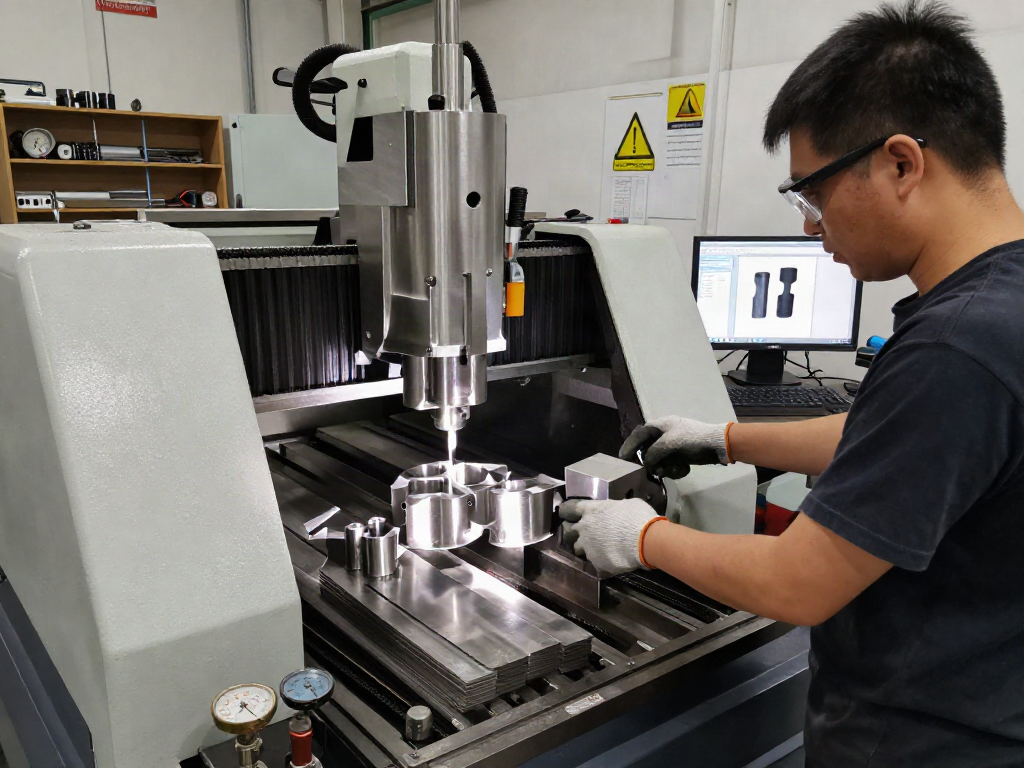
Accurate measurement is the foundation of successful sheet metal fabrication. Utilizing digital measuring tools can enhance accuracy, while software solutions streamline the design-to-production process. Cutting techniques have also evolved, with CNC (Computer Numerical Control) machines offering unparalleled precision and repeatability. Employing laser cutters for intricate designs reduces waste and improves overall efficiency.
Welding Techniques Every Fabricator Should Master
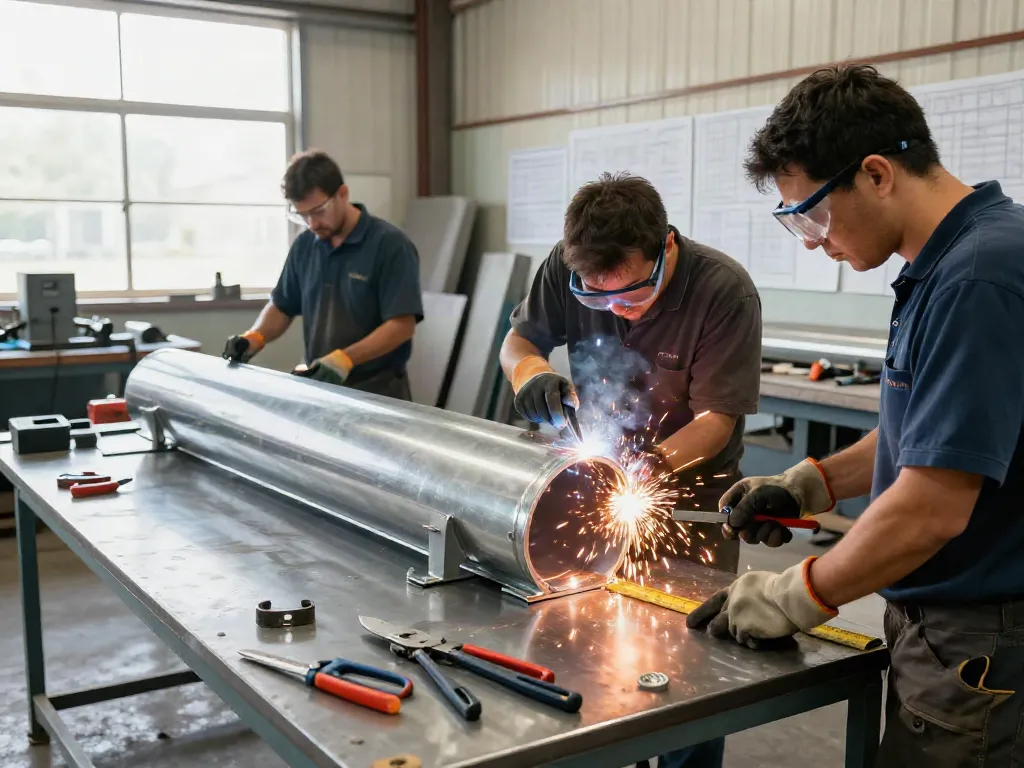
Welding is a critical skill in metal fabrication. Techniques such as MIG (Metal Inert Gas) and TIG (Tungsten Inert Gas) welding are essential for creating strong, clean joints. Mastery of these techniques not only ensures structural integrity but also enhances the aesthetic appeal of fabricated components. Understanding when to use each technique based on the materials and project requirements is crucial for any fabricator.
Tools and Equipment Needed for Precision Work
Equipping a workshop with the right tools and machinery is vital for achieving high-quality results. Essential tools include shears, brakes, and rollers, each designed for specific tasks in the fabrication process. Additionally, investing in safety equipment, such as gloves, goggles, and fume extraction systems, ensures a safer working environment, reducing the risk of injuries and improving overall productivity.
Strategic Planning for HVAC Projects
Effective project planning is paramount in the HVAC industry. Understanding client specifications, estimating costs accurately, and creating efficient timelines are all critical components of successful project execution.
Understanding Project Specifications and Client Needs
Engaging with clients to fully understand their specifications and expectations can lead to improved satisfaction and enhanced project outcomes. Clear communication is essential, as it allows for the accurate interpretation of design requirements and project constraints. Utilizing tools such as project management software can facilitate better collaboration and tracking throughout the project lifecycle.
Estimating Material and Labor Costs
Accurate cost estimation is fundamental to project viability. Conducting a thorough analysis of material requirements, labor costs, and potential risks helps prevent budget overruns. Using historical data and benchmarks from previous projects can aid in creating more precise estimates. Additionally, exploring bulk purchasing options for materials can further reduce costs.
Creating Timelines for Efficient Workflow
Establishing a clear timeline is crucial in maintaining project momentum. Breaking down tasks into manageable phases and setting realistic deadlines ensures that all team members are aligned. Utilizing Gantt charts or project scheduling software can enhance visibility into workflow, allowing for timely adjustments and resource allocation.
Enhancing Quality Control in Sheet Metal Fabrication
Quality control is essential in sheet metal fabrication, especially for HVAC projects where performance and safety are paramount. A robust quality assurance system minimizes defects and fosters continuous improvement.
Importance of Quality Assurance in HVAC Projects
Quality assurance processes ensure that materials and components meet industry standards and client expectations. Implementing regular inspections during fabrication helps identify issues early, preventing costly rework. Establishing a culture of quality within the organization encourages all employees to take ownership of their work.
Common Defects and How to Avoid Them
Common defects in sheet metal fabrication can include warping, misalignment, and improper fittings. Utilizing appropriate techniques during cutting and welding can mitigate these issues. Regular training and certifications for staff ensure they are up to date on best practices and emerging technologies that can further enhance quality.
Implementing Feedback Loops for Continuous Improvement
Creating feedback loops where teams can learn from past projects fosters a culture of continuous improvement. Conducting post-project reviews allows for the identification of strengths and weaknesses, driving future innovations and efficiencies. Additionally, gathering client feedback post-installation can provide insights into areas for enhancement.
Marketing Strategies for Your Sheet Metal Business
A comprehensive marketing strategy is essential for growth in the sheet metal industry. Leveraging digital platforms, building a brand presence, and analyzing successful case studies can significantly enhance outreach efforts.
Leveraging Digital Marketing to Reach New Clients
In a digital-first world, online presence is crucial. Utilizing search engine optimization (SEO) tactics, social media engagement, and content marketing can attract a broader audience. Being active on platforms such as LinkedIn can connect businesses with potential clients and industry partners.
Building a Strong Brand Presence in the HVAC Sector
Establishing a strong brand identity helps differentiate your business in a competitive market. Consistent messaging, professional branding, and quality customer service contribute to building trust and recognition among clients. Participating in industry events and trade shows further enhances visibility and credibility.
Case Studies of Successful Marketing Campaigns
Analyzing successful marketing campaigns within the HVAC sector can provide valuable insights. Case studies that highlight innovative strategies, such as targeted advertising or community engagement, showcase effective tactics for reaching potential clients. Learning from these examples allows businesses to tailor their marketing efforts for maximum impact.
What are the key materials used in HVAC sheet metal fabrication?
Common materials for HVAC sheet metal fabrication include galvanized steel, aluminum, and stainless steel, each offering distinct advantages depending on application requirements.
How do I choose the right tools for sheet metal work?
Selecting tools should be based on the specific tasks at hand, ensuring they align with the materials and designs you will be working with. Always prioritize quality and durability in tool selection.
What are the latest trends influencing HVAC installation methods?
Recent trends include prefabrication, modular design, and the use of advanced materials that enhance efficiency and reduce installation time on-site.
How can I improve safety practices in my workshop?
Regular training, implementing safety protocols, and ensuring all employees are equipped with personal protective equipment (PPE) can create a safer work environment.
What should I include in my marketing strategy for 2026?
Consider incorporating digital marketing techniques, sustainability messaging, and community engagement efforts to resonate with modern consumers and industry trends.