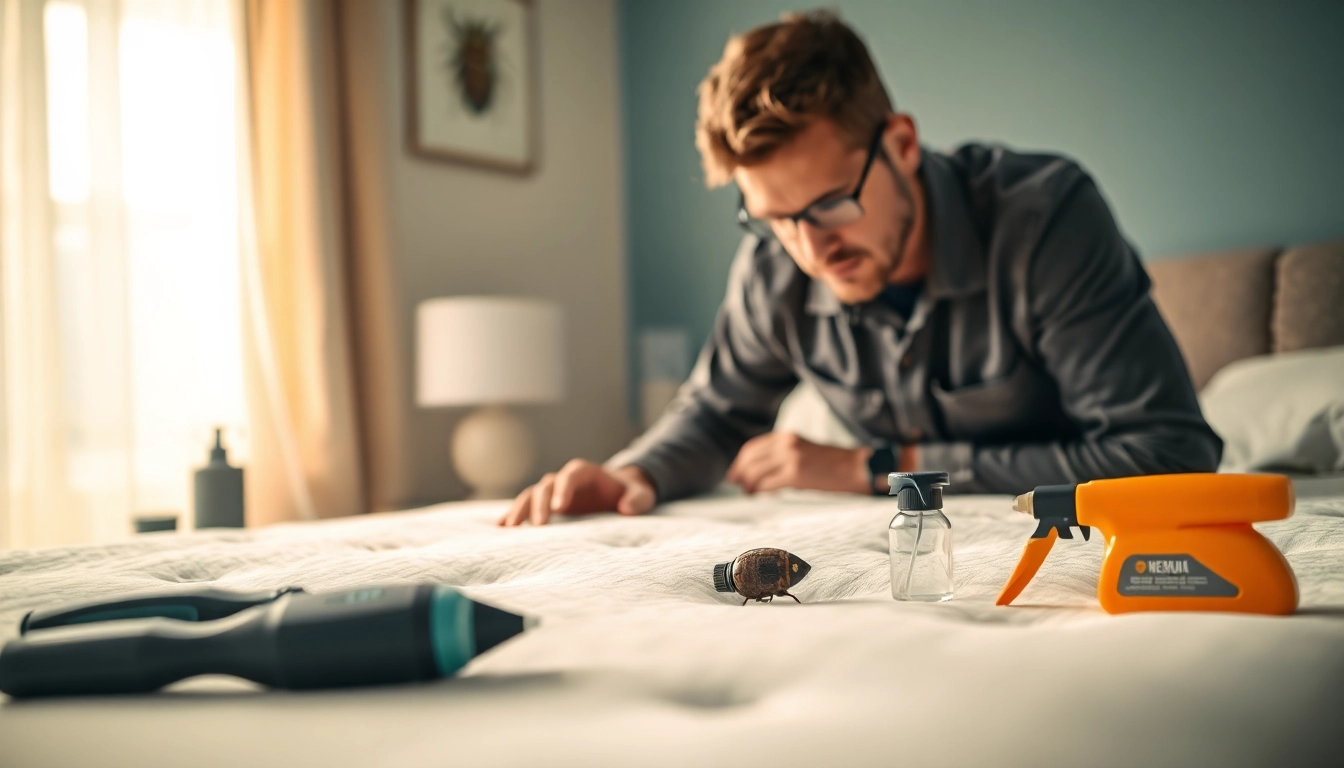
Understanding Bed Bugs: Biology and Behavior
What Are Bed Bugs?
Bed bugs (Cimex lectularius) are small, parasitic insects that feed on the blood of humans and animals, primarily during the night. These nocturnal pests are about the size of an apple seed, with flat, oval bodies that turn reddish-brown after feeding. Bed bugs are notorious for their resilience and ability to hide in small crevices, making them difficult to control once they infiltrate a home.
Signs of Infestation
Identifying a bed bug infestation early is crucial for effective bed bug pest control. Common signs include:
- Red, itchy bite marks on the skin, typically in a linear pattern.
- Presence of small, dark stains on sheets or mattresses from bed bug excrement.
- Visible shed skins or egg casings in hidden areas like seams of mattresses and behind headboards.
- A musty odor that can be detected in heavily infested areas.
Life Cycle of Bed Bugs
Understanding the life cycle of bed bugs is essential for effective control. Bed bugs go through several stages before reaching adulthood:
- Eggs: Laid in clusters, they are about 1mm in length and hatch in about 5 to 10 days.
- Nymphs: Newly hatched bed bugs that must feed on blood to grow; they molt approximately five times before reaching maturity.
- Adults: An adult bed bug can live up to a year without feeding and can lay hundreds of eggs during its lifetime.
Choosing the Right Bed Bug Pest Control Method
Chemical Control Options
Chemical methods are often the first line of defense against bed bugs. These methods typically include a variety of insecticides that specifically target bed bugs, such as:
- Pyrethroids: Synthetic chemicals similar to pyrethrins that can kill bed bugs on contact.
- Insect Growth Regulators (IGRs): Compounds that disrupt the development of bed bugs, preventing them from reaching maturity or reproducing.
- Desiccants: Substances that dry out the insects, leading to death; they are effective and work in a different manner compared to traditional insecticides.
While these chemicals can be effective, it's essential to follow safety guidelines to minimize health risks to humans and pets.
Non-Chemical Solutions for Bed Bug Pest Control
Non-chemical approaches can be an effective addition to traditional pest control methods. These include:
- Heat Treatment: Exposing infested areas to temperatures above 120°F (49°C) for several hours can kill all life stages of bed bugs.
- Steam Treatment: Using a steam cleaner can reach high temperatures to eliminate bed bugs in mattresses, sofas, and carpets.
- Vacuuming: Regular vacuuming can help remove bed bugs and eggs; it is essential to dispose of the vacuum bag immediately after.
Integrated Pest Management Techniques
Integrated Pest Management (IPM) is an effective strategy that combines various methods for long-term bed bug control. This approach includes:
- Regular inspections to monitor for signs of bed bugs.
- Combining chemical and non-chemical treatments for a more holistic approach.
- Educating residents about prevention techniques, such as regular cleaning and minimizing clutter.
Step-by-Step Guide to Bed Bug Pest Control
Preparing Your Home for Treatment
Before starting treatment, preparation is key. Follow these steps to optimize the effectiveness of any method employed:
- Clear Clutter: Remove items from the infested area to reduce hiding spots for bed bugs.
- Wash Bedding: Use hot water to wash sheets, pillowcases, and all bedding materials.
- Seal Items: Place non-washable items in sealed plastic bags to prevent bed bugs from spreading during treatment.
Implementing Treatment Procedures
Once preparation is complete, implement the chosen pest control methods:
- Apply chemicals according to the product's guidelines, ensuring that all affected areas are treated.
- If using heat treatment, ensure the heat source maintains the necessary temperature for the required duration.
- Coordinate any follow-up treatments as needed, especially if the infestation is severe.
Post-Treatment Tips for Bed Bug Prevention
After treatment, follow these preventative measures to minimize the chances of future infestations:
- Regularly inspect sleeping areas and furniture for signs of bed bugs.
- Continue with vigilant cleaning practices, including vacuuming and washing bedding frequently.
- Consider protective covers for mattresses and box springs to prevent bed bug access.
Cost Factors in Bed Bug Pest Control Services
Average Treatment Costs Explained
Understanding the costs associated with bed bug treatments can help you make informed decisions. Treatment costs can vary significantly based on:
- Extent of infestation: Larger infestations may require more extensive treatments.
- Method of treatment: Chemical, heat, or combined methods can have different pricing.
- Location and accessibility of infested areas.
Factors Influencing Price
Several factors can influence the overall cost of bed bug pest control, including:
- Geographic location: Services may vary depending on regional demand and labor costs.
- Structural considerations: The layout of the home and the presence of furniture or clutter can affect treatment difficulty.
- Follow-up visits: Additional treatments may be necessary for complete eradication, impacting total costs.
DIY vs. Professional Services Cost Analysis
When considering bed bug pest control, many homeowners weigh the pros and cons of DIY methods versus hiring professionals:
- DIY methods can be less expensive but often lack the efficacy of professional treatments, especially for severe infestations.
- Professionals typically provide guarantees and expert knowledge that can expedite the eradication process.
- Long-term costs can also be influenced by the recurrence of infestations if DIY methods prove inadequate.
Frequently Asked Questions About Bed Bug Pest Control
What are the most effective bed bug pest control methods?
Effective methods include a combination of chemical treatments, heat, steam, vacuuming, and Integrated Pest Management to eliminate bed bugs thoroughly.
Can I treat bed bugs without professional help?
Yes, DIY methods can be effective, but professional assistance is recommended for severe infestations or complete eradication.
How long does it take to eliminate bed bugs?
The timeframe depends on the infestation's severity and the methods used. Complete eradication can take from a few weeks to several months.
Are bed bug treatments safe for pets and children?
Many treatments are safe for pets and children when applied according to guidelines. Always consult with professionals for the best practices.
What steps should I take to prevent future infestations?
Regular cleaning, proper sealing of items, ongoing vigilance, and employing protective covers on beds can help prevent future infestations.