Understanding Equipment Transportation
In today's fast-paced industrial environment, equipment transportation plays a crucial role in ensuring that machinery and heavy equipment are delivered safely and efficiently to their destinations. The transportation of heavy machinery requires not only specialized equipment but also a thorough understanding of the industry and best practices. This article provides an in-depth guide to equipment transportation, focusing on key aspects such as types of transportation, essential considerations, best practices, challenges, and future trends.
What Is Equipment Transportation?
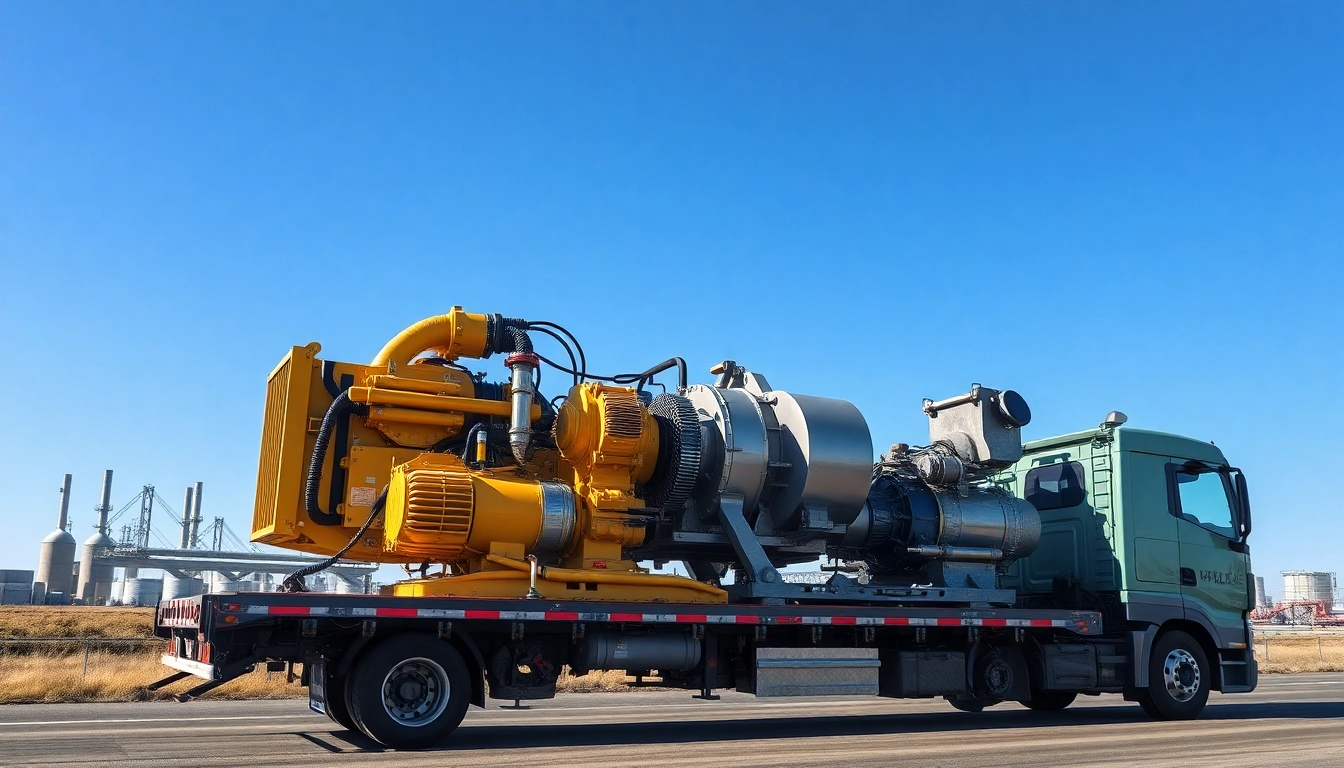
Equipment transportation refers to the process of moving heavy machinery and equipment from one location to another using specialized vehicles and logistics. This could involve transporting construction machinery, agricultural equipment, industrial machinery, and more across short or long distances. The complexity of such transport originates from the size, weight, and sensitivity of the equipment involved, requiring careful planning and execution.
Key Types of Equipment Transportation
There are several methods used in equipment transportation, each tailored to different types of heavy loads:
- Flatbed Trucking: This method is commonly used for transporting standard equipment that does not exceed weight and height regulations. Flatbed trucks facilitate quick loading and unloading.
- Lowboy Trailers: Ideal for oversized and overweight loads, lowboy trailers have a lower deck height, enabling safe transportation of heavy construction machinery.
- Step Deck Trailers: Also known as drop-deck trailers, these are designed for hauling taller loads that need to stay below legal height limits.
- Enclosed Trailers: For sensitive items that require protection from environmental elements, enclosed trailers provide a secure transportation option.
- Specialized Equipment Transport: This includes custom-designed carriers for unique machinery or loads that cannot be accommodated with standard trailers.
Importance of Choosing the Right Carrier
The choice of transport carrier is pivotal in ensuring the safety and reliability of equipment transportation. A reputable carrier will have experience with specific equipment types, knowledge of relevant regulations, and a strong safety record. This minimizes risks such as damage, loss, or delays, which can significantly impact project deadlines and budgets. Selecting a carrier also involves evaluating their capacity, routes, insurance coverage, and customer reviews.
Essential Considerations in Equipment Transportation
Regulatory Requirements and Permits
Navigating the regulatory landscape is a fundamental aspect of equipment transportation. Depending on the load's weight and dimensions, various permits may be required for travel on public roads. This includes oversize load permits and specific routes that must be adhered to according to state regulations. Understanding local laws ensures compliance and avoids penalties during transport.
Load Specifications and Safety Measures
Before transportation, it's crucial to assess load specifications which include weight, dimensions, and the nature of the equipment. Safety measures must be put in place to prevent accidents during loading, transit, and unloading. This can involve using proper load-securing techniques, weight distribution strategies, and protective equipment to safeguard both the transport vehicle and the machinery.
Cost Factors in Equipment Transportation
Numerous variables influence the cost of equipment transportation. Key cost factors include:
- Distance: Longer transport distances typically incur higher costs, including fuel and labor expenses.
- Load Characteristics: The weight and size of the equipment can significantly impact freight charges and require specialized handling.
- Delivery Speed: Expedited services for urgent deliveries may involve additional fees.
- Seasonal Considerations: Transportation costs can fluctuate due to demand changes during peak seasons.
Best Practices for Equipment Transportation
Preparing Equipment for Transport
Preparation is key to ensuring a smooth transportation process. Equipment should be thoroughly cleaned, inspected, and serviced to prevent mechanical failures during transit. Proper documentation, including maintenance logs and registration details, should be organized before loading.
Loading and Unloading Techniques
Effective loading and unloading techniques are essential to prevent accidents and damage to both the equipment and transport vehicle. Using proper ramps, cranes, or forklifts is critical, along with training personnel on safe practices. A spotter should be present to guide the process safely and efficiently.
Insurance and Liability Considerations
Assessing insurance coverage is vital for protecting against potential losses during transportation. Comprehensive coverage should encompass both the equipment and the vehicle, with discussions around liability in cases of damage or accidents. Ensuring clarity on coverage terms will help mitigate risks associated with equipment transportation.
Common Challenges in Equipment Transportation
Dealing with Oversized Loads
Transporting oversized loads presents unique challenges, often requiring special permits and routing. These loads may also necessitate additional safety precautions, such as escort vehicles or specific signs, to alert other road users. Planning routes that accommodate these requirements is essential for successful transport.
Weather Effects on Transportation
Adverse weather conditions can affect the safety and efficiency of equipment transportation. Rain, snow, or extreme heat can compromise road conditions and visibility. Keeping an eye on weather forecasts and being prepared to adjust transport schedules accordingly is essential for minimizing weather-related delays.
Managing Delays and Logistics Issues
Logistical issues can arise at any point during equipment transportation due to unforeseen circumstances such as route closures, mechanical failures, or delays in loading/unloading. Establishing contingency plans, including alternate routes and communication strategies, helps mitigate the impact of potential disruptions.
Future Trends in Equipment Transportation
Technology and Automation Advancements
As the logistics industry evolves, technology continues to shape equipment transportation. Automation in transport processes, such as self-driving trucks and drone delivery, may revolutionize how equipment is moved. These advancements promise to increase efficiency, reduce costs, and enhance safety through precision logistics and data analytics.
Sustainability in Transportation Practices
Sustainability is becoming an increasingly important consideration in equipment transportation. Companies are exploring greener options such as electric vehicles and eco-friendly transport methods to reduce their carbon footprint. Implementing alternative fuels and optimizing route planning can also lower emissions and enhance operational efficiency.
Increasing Demand for Specialized Transport Services
The rising complexity of equipment transport needs is leading to an increased demand for specialized transport services. Industries such as renewable energy, construction, and mining are in need of expert carriers with extensive knowledge and experience in handling unique loads. This trend emphasizes the importance of expertise in addressing specific transportation needs and challenges.
Frequently Asked Questions
1. What is the difference between flatbed and enclosed trailers?
Flatbed trailers are open and allow easy loading and unloading of equipment, while enclosed trailers provide protection from weather, making them suitable for sensitive loads.
2. Do I need special permits for oversized loads?
Yes, oversized loads typically require special permits from local or state authorities to ensure compliance with road regulations.
3. How can I minimize costs in equipment transportation?
Minimize costs by planning routes efficiently, choosing less busy transport times, and considering the method of transportation that best fits your load.
4. What safety measures should I implement for loading equipment?
Key safety measures include ensuring proper training for staff, using appropriate loading equipment, and conducting inspections before transport.
5. How does weather affect equipment transportation?
Adverse weather conditions can affect road safety and loading times, requiring careful monitoring and schedule adjustments to avoid delays.